
Book a Bathroom Renovation Consultation: 2026 Guide
Table of Contents
- What Happens During a Bathroom Renovation Consultation
- Your Bathroom Renovation Planning Checklist Before You Book
- Questions to Ask Bathroom Contractors at Your First Meeting
- How Long Does a Bathroom Remodel Take, Start to Finish
- Material Options, Permits, and Budget Planning for Your Bathroom Renovation Consultation
- How to Handle Surprise Costs and Scope Changes
- Conclusion
Last Updated: August 23, 2026
What Happens During a Bathroom Renovation Consultation
A bathroom renovation consultation is a structured, in-person meeting where a contractor assesses your existing space, documents site conditions, and works with you to define the full scope of your project before a single tile is pulled. At Mario Laflamme Contracting & Renovation Ltd, we treat this first meeting as the foundation of every successful bathroom remodel, what gets clarified here determines whether the project runs on time, on budget, and without nasty surprises.
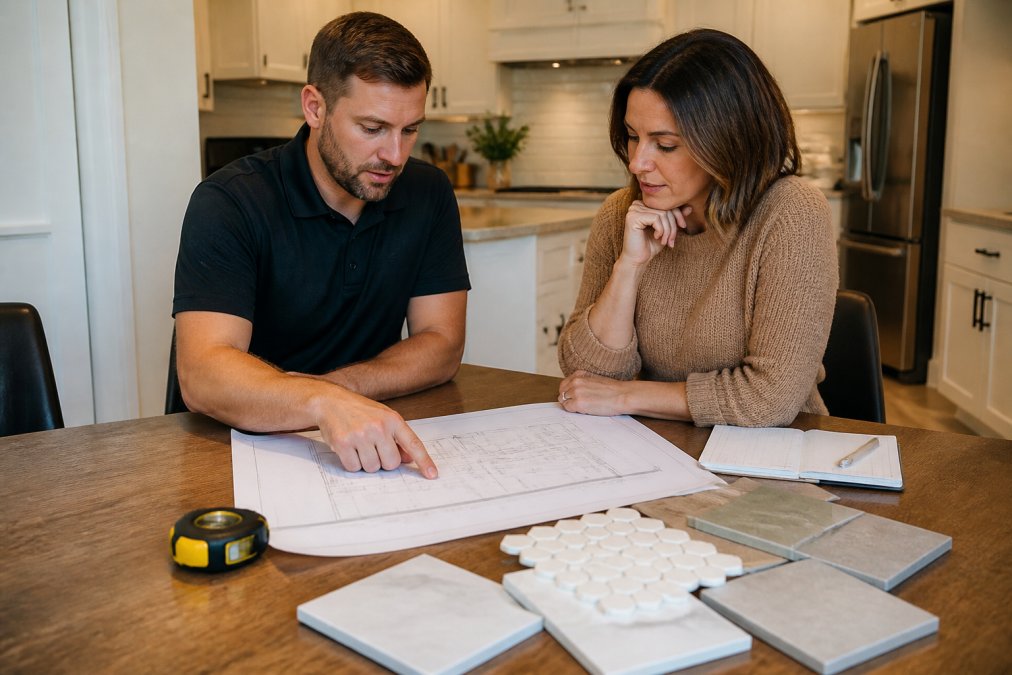
Most homeowners expect a quick walkthrough and a ballpark number. A thorough consultation delivers much more than that.
Site Assessment and Layout Design
The site assessment is where the real work begins. A contractor will measure your bathroom’s dimensions, inspect the existing plumbing and electrical rough-in locations, and evaluate the structural conditions that affect your layout design options. This isn’t a formality, it’s the step that determines whether your dream layout is actually buildable within your existing footprint.
Functional layout decisions made during this phase include:
- Whether a shower conversion is feasible given drain placement
- Where a new vanity can be positioned without rerouting plumbing
- How much space optimization is possible within the current footprint
- Whether accessible bathroom features (grab bars, curbless showers, wider clearances) can be integrated into the design
What most guides miss is that plumbing rough-in locations are the single biggest constraint on bathroom layout. Moving a drain even half a metre can add significant time and cost to a project. A thorough site assessment surfaces these realities before you’re committed to a design.
Defining Your Project Goals and Design Preferences
This part of the consultation is less technical and more strategic. A good contractor asks the right questions: Are you renovating to sell, or to stay for another decade? Do you want a spa-like retreat or a durable family bathroom? Are there accessibility needs to plan for now or in the future?
Your design preferences, tile style, fixture finish, vanity type, lighting mood, all get documented here. The more specific you can be, the more accurate your estimate will be. Vague answers produce vague quotes, and vague quotes are how budgets blow up.
Your Bathroom Renovation Planning Checklist Before You Book
The biggest mistake homeowners make is booking a bathroom renovation consultation without preparing for it. Showing up with nothing ready means the contractor spends the meeting extracting basic information instead of solving real design problems.
Documents and Details to Have Ready
Use this checklist before your consultation:
- Current bathroom dimensions (length, width, ceiling height)
- Photos of the existing space from multiple angles
- Any known plumbing or electrical issues (leaks, flickering lights, outdated panels)
- A rough list of what you want to change (fixture replacement, tile installation, full gut renovation)
- Photos or links to designs you like (Pinterest boards work fine)
- Your general budget range, even a rough one helps
- Whether you plan to stay in the home or sell within 5 years
- Any permits or previous renovation records for the property
Having this ready compresses a 90-minute consultation into a focused 45-minute session that produces a far more accurate cost breakdown.
Renovation ROI: How a Bathroom Remodel Adds Property Value
Here’s the part most homeowners undervalue: a bathroom remodel is one of the stronger return-on-investment renovations in residential real estate. According to Canada Mortgage and Housing Corporation’s renovation guidance, bathrooms and kitchens consistently rank among the improvements that most directly affect resale value and buyer perception.
A mid-range bathroom renovation, new tile, updated vanity, modern fixtures, tends to recover a meaningful portion of its cost at resale, particularly in markets where comparable homes have already been updated. The ROI improves further when the renovation addresses functional problems: inadequate storage, poor ventilation, or outdated plumbing that buyers would otherwise flag in a home inspection.
The practical implication: if you’re renovating to sell, prioritize functional upgrades and neutral finishes over high-end custom features. If you’re renovating to stay, invest in quality materials and the layout that actually fits how you live.
Questions to Ask Bathroom Contractors at Your First Meeting
Knowing the right questions to ask bathroom contractors separates homeowners who get what they paid for from those who don’t. The consultation is your opportunity to vet the contractor as much as they’re assessing your project.
| Question | Why It Matters |
|---|---|
| Are you licensed and insured in Alberta? | Protects you if something goes wrong on site |
| Who does the actual installation work? | Confirms whether subcontractors are involved |
| What does your project management process look like? | Sets expectations for communication and oversight |
| How do you handle permit applications? | Clarifies who is responsible for building code compliance |
| Can I speak with past clients on similar projects? | Verifies real-world track record |
| What’s your policy on scope changes? | Prevents surprise invoices mid-project |
| Do you offer an installation warranty? | Establishes recourse if workmanship issues appear later |
| What’s included in the free estimate? | Confirms what’s itemized vs. what’s left vague |
Don’t treat these as confrontational. Any contractor worth hiring expects these questions and answers them directly. Evasiveness is a signal worth taking seriously.
Never sign a contract that lacks a written scope of work, a payment schedule tied to project milestones, and a clear change-order process. Verbal agreements on scope or pricing are the leading cause of renovation disputes.
How Long Does a Bathroom Remodel Take, Start to Finish
A bathroom remodel typically takes 2 to 4 weeks for a standard renovation and 4 to 8 weeks for a full gut renovation with plumbing upgrades and custom tile work. These timelines assume materials are ordered and on-site before demolition begins, which is why the planning phase matters so much.
The actual project timeline breaks down roughly like this:
- Demolition: 1-3 days depending on scope
- Rough-in plumbing and electrical: 2-5 days
- Waterproofing and tile installation: 3-7 days (tile setting plus curing time)
- Vanity, fixture, and hardware installation: 2-3 days
- Finishing, caulking, and cleanup: 1-2 days
- Inspection (if permit required): Variable, typically 1-5 business days for scheduling
The thing nobody tells you upfront: material lead times are often the longest delay in the entire project. Custom tile orders, specialty vanities, and specific fixture finishes can take 2 to 6 weeks to arrive. A contractor who doesn’t order materials before demo day is the reason your bathroom sits half-finished for a month.
According to the National Research Council Canada’s construction guidance, proper sequencing of trades is one of the most significant factors in residential renovation timelines. The design-build process, where planning and procurement happen before physical work begins, consistently produces faster project completion.
Ask your contractor for a written project schedule with milestones before work begins. A good project management process means you always know what’s happening next and who’s on site each day.
Material Options, Permits, and Budget Planning for Your Bathroom Renovation Consultation
Material selection is where a bathroom renovation becomes personal, and where costs vary most dramatically. Your bathroom renovation consultation should include a dedicated conversation about materials, because the difference between a ceramic tile and a large-format porcelain slab isn’t just aesthetic. It affects installation complexity, maintenance requirements, and total project cost.
Common material options and their practical trade-offs:
- Ceramic tile: Cost-effective, widely available, good for walls and low-traffic floors
- Porcelain tile: Denser and more water-resistant than ceramic, better for shower floors and wet areas
- Natural stone (marble, slate, travertine): High-end aesthetic, requires sealing and more maintenance
- Luxury vinyl plank: Warm underfoot, easy installation, not suitable for shower enclosures
- Acrylic or fibreglass surrounds: Fast installation, lower cost, less design flexibility
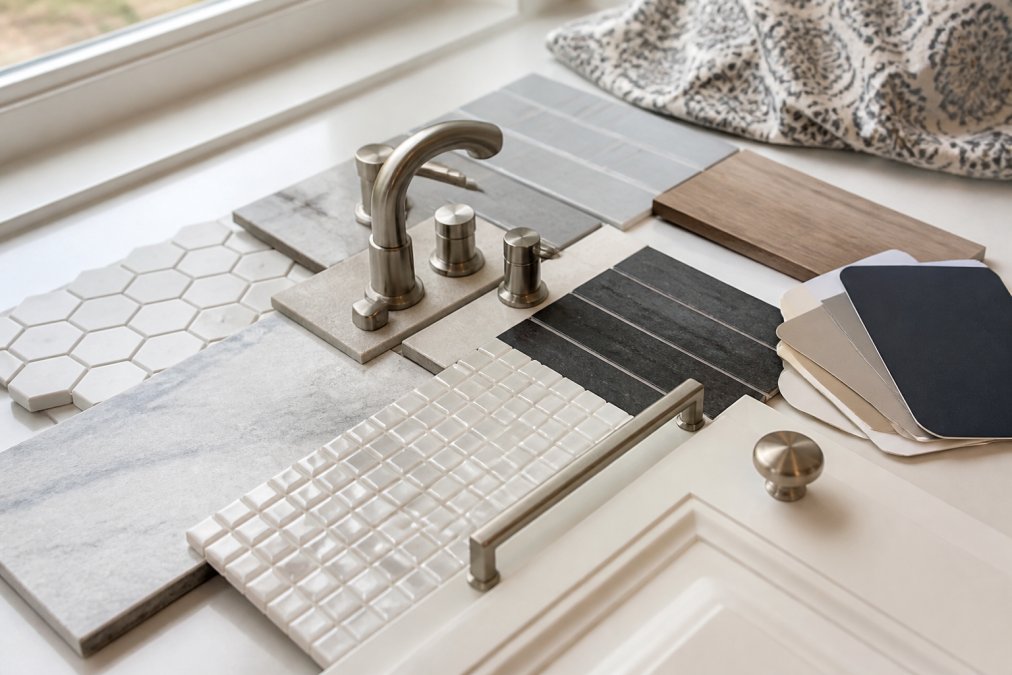
Budget planning at this stage should produce a cost breakdown that separates labour, materials, fixtures, and contingency. Because pricing varies significantly based on scope, materials, and site conditions, contact Mario Laflamme Contracting & Renovation Ltd directly for an accurate estimate on your specific project.
Sustainable and Eco-Friendly Material Options
Sustainable material options have moved from niche to mainstream in bathroom renovation, and for good reason. Low-VOC adhesives and grouts improve indoor air quality. WaterSense-certified fixtures, a standard recognized by Natural Resources Canada’s water efficiency programs, reduce household water consumption without sacrificing performance. Recycled-content tiles and locally sourced stone reduce transportation emissions and often support regional suppliers.
If environmental performance matters to you, raise it explicitly during your bathroom renovation consultation. A contractor who works with sustainable materials regularly can recommend specific products that meet your aesthetic goals without compromising on durability.
Permits, Building Codes, and Licensed Installer Verification
Permits are not optional on most bathroom renovations. In Alberta, any work that involves moving or adding plumbing, altering electrical circuits, or changing the structural layout of a space requires a permit under the Safety Codes Act. Working without one isn’t just a regulatory risk, it creates real problems when you sell the property, because unpermitted work must typically be disclosed or remediated.
Licensed installer verification is equally important. In Alberta, plumbing and electrical work must be performed by licensed tradespeople. Ask your contractor directly which trades are licensed, and request their licence numbers if you want to verify them independently through Alberta’s Safety Codes Council.
A reputable contractor handles permit applications as part of their project management process. If a contractor tells you permits aren’t necessary for work that clearly requires them, treat that as a serious red flag.
Permits protect you, not just the contractor. Unpermitted renovation work can void home insurance coverage, complicate resale, and create liability if something goes wrong after the fact.
How to Handle Surprise Costs and Scope Changes
The fear of a runaway budget is the most common objection homeowners raise before booking a bathroom renovation consultation, and it’s completely legitimate. Hidden conditions are real: water damage behind walls, outdated wiring that doesn’t meet current code, asbestos-containing materials in older homes.
The question isn’t whether surprises happen. It’s how your contractor handles them when they do.
A professional renovation process addresses this through:
- A thorough site assessment upfront that identifies as many risks as possible before demolition
- A written contingency line in the estimate, typically a percentage of total project cost, reserved for unforeseen conditions
- A documented change-order process, any scope change, whether discovered or requested, is priced and approved in writing before work proceeds
- Clear communication protocols, you should hear about a problem the same day it’s discovered, not after the fix is already done
The change-order process is the part most homeowners don’t read carefully enough in their contracts. A well-written change order includes a description of the issue, the proposed solution, the cost, and your written approval before a dollar is spent. That’s the standard. Anything less puts you in a position where you’re arguing about costs after the fact.
What separates a contractor who disappears mid-project from one who delivers is usually the quality of the planning and communication systems they have in place, not the size of their crew or the polish of their website. Ask specifically how scope changes are handled, and get the answer in writing.
According to the Better Business Bureau’s contractor hiring guidance, written contracts with detailed scope descriptions and change-order provisions are the single most effective protection for homeowners undertaking renovation projects.
Bathroom renovations go sideways most often not because of bad luck, but because of skipped steps at the planning stage. A thorough bathroom renovation consultation, combined with the right contractor, eliminates most of the risk before a single wall comes down. Mario Laflamme Contracting & Renovation Ltd offers a free consultation that covers site assessment, layout design, material options, and budget planning, giving you a complete picture of your project before you commit to anything.
Get started with Mario Laflamme Contracting & Renovation Ltd and get a renovation plan that actually holds together from day one.
Frequently Asked Questions
What should I have ready before booking a bathroom renovation consultation?
Before your bathroom renovation consultation, gather your approximate budget range, a list of must-have changes (such as shower conversion or vanity replacement), photos of your current bathroom, and any inspiration images you have saved. Knowing your rough timeline and whether you rent or own the property also helps the contractor give you an accurate scope and cost breakdown from the first meeting.
Does a bathroom renovation require a building permit?
Most structural changes, plumbing upgrades, and electrical work in a bathroom require a permit under Alberta's Safety Codes Act. Cosmetic updates like painting or replacing fixtures typically do not. A contractor will identify which elements of your project trigger permit requirements and handle the application process. Skipping permits can create problems when you sell the home, so confirm this during your consultation.
How long does a professional bathroom renovation typically take?
A standard bathroom remodel with tile installation, fixture replacement, and vanity selection usually takes two to four weeks once work begins. More complex projects involving plumbing rerouting, accessible bathroom conversions, or custom design elements can extend to six weeks or longer. Your contractor should provide a written project timeline after the site assessment so you know exactly when each phase starts and ends.
How do I choose the right contractor for my bathroom remodel?
Verify that any contractor you consider carries liability insurance, and offers a written installation warranty. Ask for references from completed bathroom renovation projects and follow up with those homeowners directly. A professional consultation process that includes a thorough site assessment, a detailed cost breakdown, and a clear project timeline is a strong indicator that the contractor manages projects responsibly from start to finish.
This article was written using GrandRanker
Table of Contents
Start With Project Goals and a Clear ScopeDefine Menu and Service RequirementsSet Measurable Renovation GoalsCommercial Kitchen…
Table of Contents
Diagnose Your Basement Moisture Before InsulatingIdentifying water intrusion sourcesMeasuring moisture levelsBest Insulation for…