
Best Siding Materials for St. Albert’s Cold Climate
Table of Contents
- Why St. Albert’s Climate Pushes Siding Materials to Their Limits
- Vinyl Siding vs Fiber Cement: How They Perform in Freeze-Thaw Cycles
- Wood, Engineered Wood, and Cedar Siding in a Cold Climate
- Brick, Stone, and Stone Veneer: Heavyweight Options for Cold Winters
- Siding Maintenance Requirements by Material
- Siding Replacement Cost in the St. Albert Area
- Installation Details That Decide Cold-Weather Performance
- Frequently Asked Questions
Last Updated: October 17, 2026
Why St. Albert’s Climate Pushes Siding Materials to Their Limits
Choosing the best siding materials for St. Albert climate means picking a wall system that survives repeated freezing and thawing, not just one that looks good in July. Siding that performs well in milder markets starts cracking, warping, or trapping water here within a decade. St. Albert sits in a cold continental zone where temperatures swing hard between seasons, and that swing does more damage to exterior cladding than cold alone.
The mechanism is simple. Water seeps into tiny gaps and pores, freezes, expands, then thaws. Repeat that dozens of times each winter and even tough materials fatigue. Add wind-driven snow, ice damming at the eaves, and summer sun on dark-colored panels, and you have a genuine test of material performance.
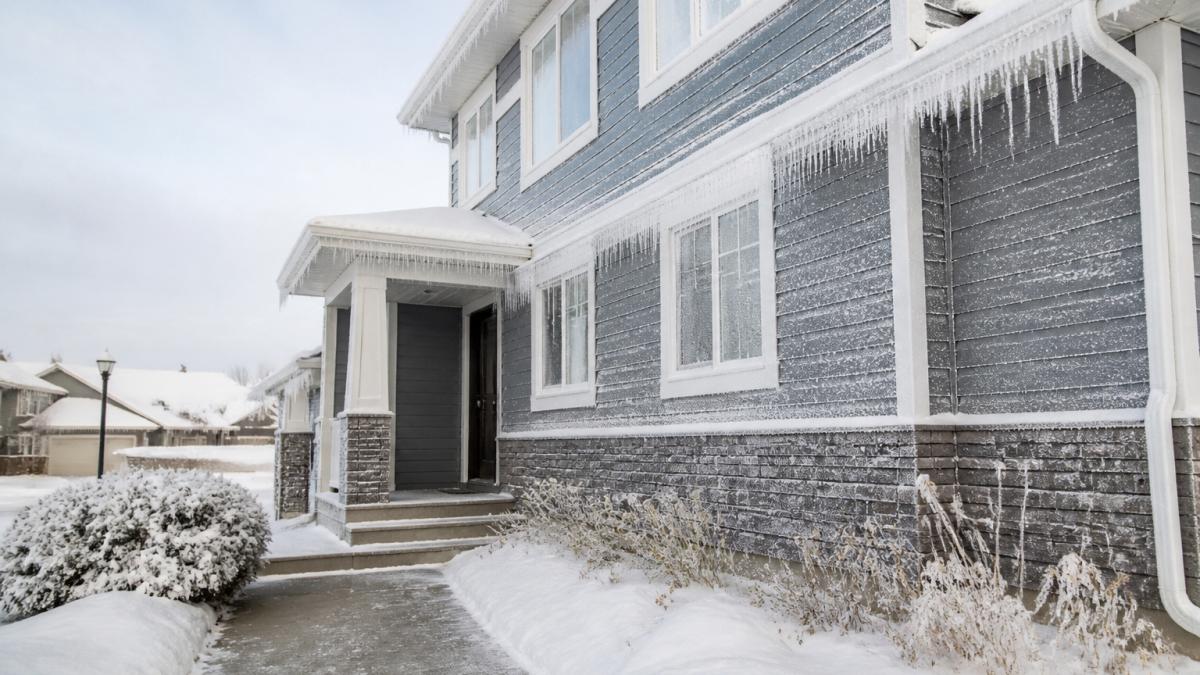
Here is what matters most before we compare options:
- Freeze-thaw cycles punish anything that absorbs water or can’t flex.
- Moisture resistance decides whether a wall dries out or rots from the inside.
- Wind resistance matters on open lots and corner exposures.
- Thermal performance affects both comfort and energy efficiency.
The best cold-climate siding is not the hardest panel. It is the one that manages water and movement without cracking. Prioritize moisture resistance and proper installation over brand names.
The five material families below cover almost every home in the region. Each has a real trade-off, and none wins on every measure. Below, we break down how each performs so you can match the material to your budget and your tolerance for maintenance.
Vinyl Siding vs Fiber Cement: How They Perform in Freeze-Thaw Cycles
Vinyl siding and fiber cement siding are the two most common exterior cladding choices for local homes, and they handle cold very differently. Vinyl flexes with temperature movement; fiber cement stays dimensionally stable but is heavier and less forgiving of installation errors. The freeze-thaw mechanism is what separates them in practice: water that enters a joint, freezes, and expands puts repeated stress on the panel, the fastener, and the seal.
How each material absorbs that stress decides whether it lasts 15 years or 40.
Vinyl and Insulated Vinyl Siding
Vinyl siding is the budget-friendly workhorse of cold-climate exteriors. Modern vinyl is formulated to resist impact cracking in low temperatures, and it never rots, so moisture and pest resistance are strong. Insulated vinyl adds a bonded foam backing that improves thermal performance and stiffens the panel against wind.
The cold-weather behavior to understand is thermal movement. Vinyl expands and contracts significantly with temperature, which is why installers leave expansion gaps at ends, corners, and around openings. Panels nailed tight, a common shortcut, buckle in summer and crack in winter. Heavier-gauge panels resist impact cracking better than thin ones, and darker colors absorb more heat, which increases movement and fading risk.
Pros:
- Low upfront cost and low maintenance
- No rot, no repainting, good moisture resistance
- Insulated versions boost energy efficiency and wind resistance
Cons:
- Can become brittle in extreme cold and crack on impact
- Color fading over time, especially on dark panels
- Not the most premium look on high-end homes
Cheap, thin vinyl panels crack far more often in deep cold than heavier gauge products. If you go vinyl, do not shop on price alone. The panel thickness, the expansion gaps, and the installation quality decide how it survives winter.
Fiber Cement Siding Pros and Cons
Fiber cement siding is a composite of cement, sand, and cellulose fiber. It holds paint well, resists fire, and stands up to moisture without rotting. Its main weakness in a cold climate is brittleness during handling and cutting, plus the need for careful sealing at joints.
Fiber cement is dimensionally stable, so it moves far less than vinyl. That stability is an advantage in freeze-thaw cycles, but it shifts the risk to installation: panels must be fastened to allow slight movement, joints must be sealed against water entry, and cut edges must be primed or they absorb water. In cold weather, fiber cement is more prone to chipping during cutting and fastening, so installers need to adjust technique.
The material also holds paint longer than vinyl holds color, which matters for long-term maintenance.
Pros:
- Excellent durability and longevity
- Strong fire resistance and pest resistance
- Holds paint and color longer than vinyl
Cons:
- Heavier material, higher installation labor
- Can chip or crack if struck in cold weather
- Requires proper priming and sealing to prevent water infiltration
| Feature | Vinyl / Insulated Vinyl | Fiber Cement |
|---|---|---|
| Cold-weather flexibility | Flexes; needs expansion gaps; can crack in deep cold | Stable but brittle when struck; needs careful fastening |
| Moisture resistance | Excellent (no rot) | Good with proper sealing and priming |
| Maintenance | Wash occasionally | Repaint periodically |
| Fire resistance | Moderate | High |
| Relative cost | Lower | Higher |
In freeze-thaw cycles, vinyl’s risk is movement and impact brittleness; fiber cement’s risk is water entry at joints and cut edges. Match the material to how well the installer handles those specific details.
Wood, Engineered Wood, and Cedar Siding in a Cold Climate
Wood and engineered wood siding offer the warmest aesthetic of any exterior cladding, and cedar in particular handles cold well when detailed correctly. The catch is maintenance. Natural wood absorbs moisture, and in a freeze-thaw climate that means rot, mold, and mildew risk wherever water sits.
Engineered wood sidings are manufactured for more consistent performance than natural boards, resisting warping better and holding finish longer. Cedar siding remains a favorite for its natural resistance to decay, but it needs regular staining and sealing to stay protected.
- Natural wood and cedar: beautiful, repairable, high maintenance
- Engineered wood: more stable, still needs finish upkeep
- Watch for: end-grain sealing, proper flashing, and clearance above grade
A common mistake is skipping back-priming on wood panels. Moisture that gets behind the board has nowhere to go, and that is where rot starts.
Brick, Stone, and Stone Veneer: Heavyweight Options for Cold Winters
Masonry is the most durable exterior cladding available, and brick, stone, and stone veneer handle freeze-thaw cycles better than almost anything else when built correctly. Brick and stone resist moisture, fire, and pests, and they last for generations with minimal upkeep.
Stone veneer gives you the masonry look at a lighter weight and lower structural demand than full stone. The critical detail is the drainage plane behind the masonry: water that gets in must be able to escape, or freeze-thaw damage will eventually show at the mortar joints.
Pros: exceptional longevity, fire resistance, low maintenance, premium curb appeal.
Cons: highest upfront cost, heavy structural load for full masonry, specialized installation.
For masonry in a cold climate, the weep system behind the wall matters more than the stone itself. Ask your installer how water drains out. If they can’t explain it clearly, keep looking.
Siding Maintenance Requirements by Material
Siding maintenance requirements vary widely, and the honest comparison surprises most homeowners. Vinyl needs little more than an occasional wash. Fiber cement needs periodic repainting. Wood needs the most attention, and masonry needs almost none.
| Material | Typical Maintenance | Frequency |
|---|---|---|
| Vinyl | Wash with soap and water | Yearly |
| Fiber cement | Inspect seals, repaint | Every several years |
| Wood / cedar | Clean, stain, seal | Every few years |
| Engineered wood | Inspect finish, recoat | Every few years |
| Brick / stone | Inspect mortar, clean | Rarely |
Inspect every exterior after winter. Look for cracked panels, lifted caulking, and water stains. Catching small damage early prevents a full repair and replacement later.
Siding Replacement Cost in the St. Albert Area
Siding replacement cost in the St. Albert area depends on material, home size, and how much repair sits behind the old cladding. Most broad roundups stop at material price per square foot, which is not what a homeowner actually pays.
What drives the number:
- Material choice: vinyl sits at the low end, masonry at the high end.
- Square footage and stories: taller walls mean more labor and scaffolding.
- Removal and disposal of the old siding.
- Hidden damage: rotted sheathing or water infiltration found during tear-off.
- Trim, flashing, and windows that need attention while the wall is open.
- Cold-weather scheduling: exterior work in freezing temperatures can affect sealants and adhesives, which may shift timing and cost.
A practical way to compare value is lifecycle cost rather than sticker price. Vinyl has the lowest upfront cost but a shorter service life and color fading that may prompt replacement sooner. Fiber cement costs more upfront but holds finish longer and resists fire and pests. Wood and cedar sit in the middle on upfront cost but carry the highest maintenance burden over time.
| Material | Upfront cost position | Maintenance burden | Relative service life |
|---|---|---|---|
| Vinyl / insulated vinyl | Lowest | Low | Shorter |
| Fiber cement | Higher | Moderate | Long |
| Wood / cedar | Moderate | High | Moderate |
| Engineered wood | Moderate | Moderate | Moderate to long |
| Brick / stone / veneer | Highest | Very low | Longest |
We do not publish fixed prices because every home is different, and a quote that ignores what’s under the siding is a guess, not a plan. For a current price or a written quote, contact us directly.
The cheapest quote often hides the biggest surprise. Ask whether removal, disposal, and sheathing repair are included. A low bid that excludes tear-off and flashing work can climb sharply once the wall is open.
Compare installed cost and lifecycle cost, not material price per square foot. The lowest upfront number is rarely the lowest cost over the life of the wall.
Installation Details That Decide Cold-Weather Performance
Installation quality matters more than the material label in a cold climate. Even premium siding fails early if it’s installed without a proper drainage plane, correct clearances, and room for movement.
What we check on every job:
- Drainage plane and house wrap behind the cladding so water can escape.
- Flashing at windows, doors, and rooflines to stop water infiltration.
- Clearance above grade and rooflines to keep snow and splash off the wall.
- Fasteners rated for cold and spaced to allow thermal movement.
- Sealant and caulking applied in suitable temperatures for proper adhesion.
A mid-grade material installed correctly will outlast a premium material installed carelessly. Ask about the drainage plane and flashing before you compare panel prices.
Local building-code requirements and manufacturer warranties both hinge on correct installation. A warranty claim can be denied if the wall was built wrong, so the details protect your investment as much as your comfort.
Frequently Asked Questions
What siding material is best for a cold climate?
Fiber cement and insulated vinyl rank highest for cold climates. Fiber cement resists cracking, rot, and pests, and holds paint well through freeze-thaw cycles. Insulated vinyl adds a thermal layer that reduces heat loss and helps prevent condensation. Both handle snow, ice, and wind better than natural wood or thin-gauge vinyl. The right choice depends on your budget, maintenance tolerance, and how long you plan to stay in the home.
Is vinyl siding suitable for cold winters?
Yes, but quality matters. Standard vinyl can become brittle in extreme cold and may crack on impact. Insulated vinyl and thicker-gauge panels perform better because they resist impact and reduce thermal movement. Proper installation with room for expansion and contraction is critical. Avoid cheap, thin panels and make sure fasteners are not driven too tight, which can cause buckling when temperatures swing.
How long does siding typically last in a freeze-thaw climate?
Lifespan varies by material. Vinyl typically lasts 20 to 30 years, fiber cement 30 to 50 years, and brick or stone veneer 50 years or more. Wood and engineered wood need more maintenance and may last 20 to 40 years depending on upkeep. Freeze-thaw cycles accelerate wear on any material if moisture gets behind the cladding, so proper flashing and drainage details matter as much as the material itself.
What should I compare when choosing siding materials?
Compare five things: resistance to freeze-thaw and moisture, maintenance requirements, installed cost, expected lifespan, and repairability. Also check warranty terms and whether your insurer treats the material differently. Ask about local installation practices for cold weather, including flashing, house wrap, and ventilation. A material that performs well on paper can fail early if installed without cold-climate detailing.
St. Albert winters are unforgiving to a poorly built exterior, and the wrong siding choice shows up fast. At Mario Laflamme Contracting & Renovation Ltd, we help homeowners match the right material to their home, budget, and exposure, with comprehensive exterior renovation and siding services and professional project management from start to finish. Get started with a free consultation and we’ll assess your exterior and recommend the siding that will hold up for decades.
Table of Contents
Diagnose Your Basement Moisture Before InsulatingIdentifying water intrusion sourcesMeasuring moisture levelsBest Insulation for…
Table of Contents
1. Optimize Your Small Kitchen Layout Ideas for Better FlowGalley Layouts for Narrow SpacesL-Shaped ConfigurationsSingle-Wall…