
Best Ways to Save Money on Kitchen Remodels
Table of Contents
- Refinish or Paint Existing Cabinets Instead of Replacing Them
- Replace Cabinet Doors and Hardware Rather Than Full Cabinet Boxes
- Understanding Kitchen Remodel Cost Breakdown
- Cabinet Refacing vs. Replacement: Which Saves More
- Kitchen Renovation Budget Breakdown: Where to Splurge and Where to Save
- Keep Your Existing Layout and Plumbing to Avoid Major Costs
- Choose Budget-Friendly Countertop and Tile Materials
- Plan for Contingencies and Hidden Costs
- Frequently Asked Questions
Last Updated: October 18, 2026
Refinish or Paint Existing Cabinets Instead of Replacing Them
Refinishing or painting your existing cabinets is one of the best ways to save money on kitchen remodels. Rather than replacing cabinet boxes entirely, a fresh finish can transform dated woodwork into a modern focal point at a fraction of the replacement cost.
The process involves cleaning, sanding, and applying new stain or paint to cabinet surfaces. Many homeowners find that cabinet painting delivers dramatic visual impact without the expense of full replacement.
When you refinish cabinets, you preserve the existing structure and layout. This approach works especially well if your cabinet boxes are still solid and functional, only the finish has aged. You avoid the labor-intensive work of removing and reinstalling cabinetry, which is where replacement costs balloon quickly.
Before committing to refinishing, open a few cabinet doors and inspect the interior structure. If the boxes show water damage, significant warping, or structural deterioration, replacement may be the better choice. Sound wood that just looks tired is a perfect candidate for refinishing.
The timeline for cabinet refinishing typically spans one to two weeks, depending on the number of cabinets and drying time between coats. Professional-grade paint and proper surface preparation make the difference between a finish that lasts five years and one that lasts fifteen.
Replace Cabinet Doors and Hardware Rather Than Full Cabinet Boxes
If your cabinet boxes are structurally sound but the doors are worn or outdated, replacing only the doors is a smart compromise between full replacement and simple refinishing. This approach gives you the freedom to change your kitchen’s style without the cost of new cabinetry infrastructure.
New cabinet doors come in many styles, finishes, and materials. You can choose everything from sleek modern flat-panel designs to traditional raised-panel doors in various wood species or painted finishes. The doors attach to your existing hinges or new hinges, depending on what you select.
Updating hardware, hinges, handles, and drawer pulls, alongside new doors amplifies the transformation. A simple handle change alone can modernize cabinets significantly. Coordinating hardware finishes (brushed nickel, matte black, brass, or stainless steel) ties the entire kitchen together visually.
Cabinet door replacement typically costs far less than full cabinet replacement because you’re only changing the visible front, not the underlying structure. Labor is minimal since installation is straightforward.
This strategy works well when you want a style refresh without the disruption of a complete cabinet overhaul. It’s also reversible, if your taste changes in a few years, swapping doors again is simple. The existing cabinet framework remains in place, so your plumbing and electrical layouts stay untouched.
Understanding Kitchen Remodel Cost Breakdown
A kitchen remodel budget typically divides into several major categories: cabinetry, countertops, flooring, appliances, plumbing, electrical, and labor. Understanding where your money goes helps you make strategic decisions about where to splurge and where to save.
Cabinetry usually represents 30-40% of the total kitchen remodel cost. This includes cabinet boxes, doors, hardware, and installation labor. Countertops account for 10-20%, flooring for 10-15%, and appliances for 15-25%, depending on whether you’re replacing them or keeping existing units.
Labor costs typically run 20-35% of the total project budget. This covers demolition, installation, finishing work, and any specialized trades like plumbing or electrical. The remaining budget covers materials, permits, and contingencies.
Many homeowners underestimate contingency costs. Construction often reveals hidden issues, outdated wiring, plumbing problems, or structural concerns. Setting aside 10-15% of your total budget as a contingency buffer protects you from budget overruns when surprises emerge.
When you keep your existing layout and appliances, you eliminate some of the largest cost drivers. Plumbing and electrical work stay minimal. Appliance replacement is avoided entirely. These decisions alone can reduce your total project cost by 30-40%.
Cabinet Refacing vs. Replacement: Which Saves More
Cabinet refacing sits between simple refinishing and full replacement. During refacing, the cabinet box structure stays in place, but the exterior surfaces get new veneers or laminate, and doors and drawer fronts are replaced.
Refacing costs less than full replacement because you’re not removing and reinstalling the underlying cabinet framework. However, it costs more than refinishing because new materials cover more surface area and professional installation is required.
The key advantage of refacing is durability. A refaced cabinet with new veneer and doors typically lasts 15-20 years with proper care.
Refacing works best when your cabinet layout is exactly what you want but the appearance is dated.
At Mario Laflamme Contracting & Renovation Ltd, we help homeowners evaluate whether refacing, refinishing, or replacement makes sense for their specific situation. The right choice depends on your cabinet condition, desired style, and budget constraints.
Kitchen Renovation Budget Breakdown: Where to Splurge and Where to Save
Strategic spending separates a kitchen remodel that feels premium from one that looks budget-conscious. The best approach is to invest in elements you interact with daily and see frequently, while choosing cost-effective options for background elements.
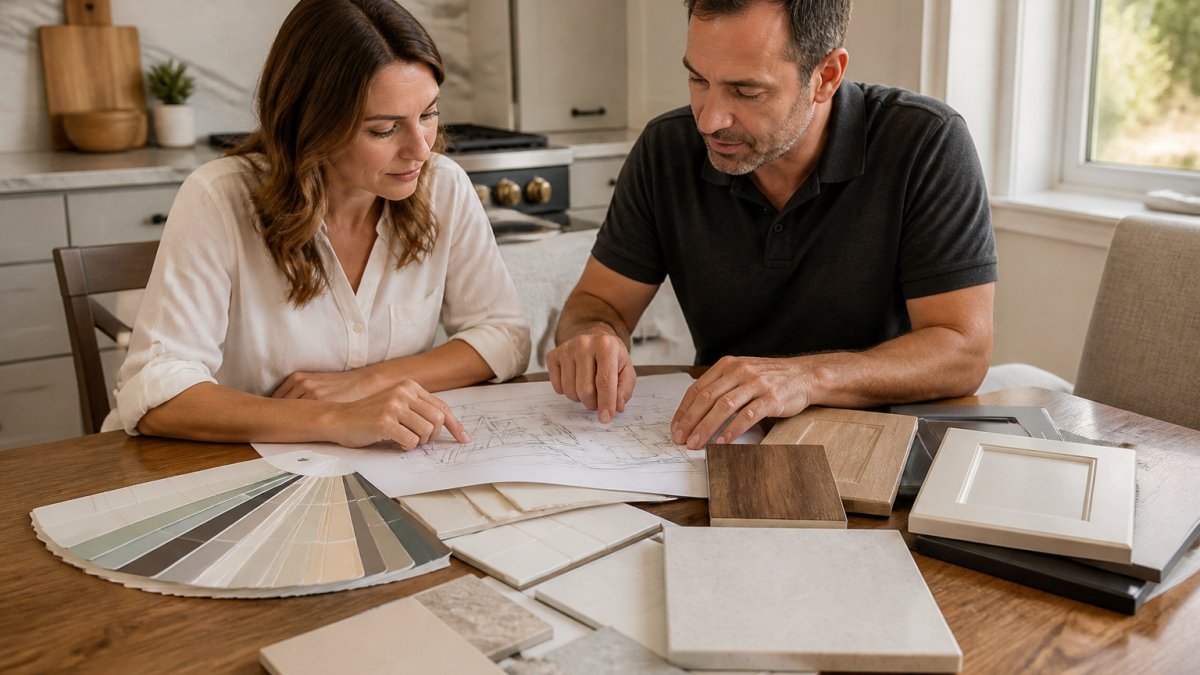
Where to Splurge on a Kitchen Remodel
Invest in quality countertops if you use your kitchen heavily. Counters take daily wear from cutting, setting hot pans, and spills. Durable materials like quartz or solid-surface options resist staining and damage.
Quality cabinetry hardware deserves investment. Handles and hinges are touched hundreds of times per month. Cheap hardware wears out, sticks, or breaks. Premium hinges operate smoothly for decades.
Appliances are worth the investment if you cook regularly. A reliable range, refrigerator, and dishwasher perform better and last longer than budget models. Quality appliances also consume less energy, offsetting their higher initial cost over time.
Lighting is another smart splurge. Good task lighting over counters and islands makes cooking safer and more enjoyable. Layered lighting with ambient, task, and accent options transforms how your kitchen feels and functions.
Where to Save on a Kitchen Remodel
Backsplash materials offer huge savings opportunities. Ceramic tile that mimics natural stone costs a fraction of real stone. Peel-and-stick backsplash options provide instant visual impact at minimal cost. You can always upgrade later if your budget allows.
Flooring can be budget-friendly without sacrificing appearance. Luxury vinyl plank (LVP) mimics wood or stone convincingly while being waterproof, durable, and easy to install.
Paint is your fastest, cheapest refresh. Quality paint on walls and trim costs little but transforms the entire space. Painting existing cabinets instead of replacing them saves thousands while delivering dramatic results.
Keeping your existing layout saves substantially. Moving plumbing or electrical adds thousands in labor and materials. If your current layout functions well, preserve it. Avoid relocating the sink, range, or refrigerator unless absolutely necessary.
| Decision | Best For Splurging | Best For Saving |
|---|---|---|
| Countertops | Heavy daily use, frequent entertaining | Occasional cooking, shorter timeline |
| Cabinetry | Long-term staying in home, high traffic | Budget-conscious, planning to move |
| Appliances | Frequent cooking, energy efficiency priority | Basic functionality, budget constraints |
| Backsplash | Focal point of kitchen design | Background element, easy to change later |
| Flooring | High traffic, moisture concerns | Lower-traffic areas, temporary solution |
| Hardware | Daily interaction, style priority | Hidden hinges, basic functionality |
Keep Your Existing Layout and Plumbing to Avoid Major Costs
The single biggest cost driver in kitchen remodels is moving plumbing. Relocating the sink, adding a second sink, or moving the dishwasher requires new supply lines, drain lines, and often professional plumbing work.
If your current sink location works, keep it there. The existing plumbing infrastructure is already in place and paid for. The same principle applies to your range or cooktop location. Moving gas or electric lines requires specialized work and inspection.
Layout changes also trigger cascading costs. If you reconfigure cabinet placement, you may need to reroute electrical outlets, move lighting fixtures, or adjust structural elements. Each change multiplies labor hours and material costs.
Keeping your existing layout doesn’t mean your kitchen can’t feel completely new. Cabinet refinishing, new countertops, fresh flooring, updated lighting, and modern hardware create a transformed space without the structural upheaval.
Before finalizing your design, walk through your kitchen workflow. Does the sink location work for washing dishes and prep? Is the range accessible from your main food storage? Does traffic flow naturally? If the layout functions well, preserve it. Poor layout changes are expensive to fix later.
Choose Budget-Friendly Countertop and Tile Materials
Countertop material selection dramatically affects your budget. Granite and marble are beautiful but expensive. Quartz offers similar durability and appearance at moderate cost.
Porcelain tile that mimics natural stone delivers high-end appearance without premium pricing. Modern printing technology makes porcelain indistinguishable from real stone to most eyes. Tile is durable, waterproof, and easy to maintain.
Glass tile for backsplashes creates visual interest affordably. It’s easy to clean, reflects light beautifully, and comes in countless colors.
Salvage stores and estate sales occasionally offer quality countertop and flooring materials at steep discounts. Reclaimed wood, vintage tile, or surplus stone can add character while saving money.
Butcher block countertops offer warmth and character at moderate cost. They require more maintenance than engineered surfaces but develop beautiful patina over time. Many homeowners prefer the lived-in aesthetic to pristine engineered materials.
Plan for Contingencies and Hidden Costs
Kitchen remodels frequently uncover surprises once work begins. Old plumbing may corrode, electrical systems may be outdated, or structural issues may emerge. Setting aside a contingency fund protects your project from budget overruns.
A 10-15% contingency buffer is standard industry practice. For a $20,000 project, this means $2,000-$3,000 held in reserve. This cushion covers unexpected discoveries without derailing your timeline or forcing compromises on quality.
Common hidden costs include asbestos testing in older homes, code compliance upgrades, structural repairs, and water damage remediation. These aren’t optional, building codes require compliance, and safety issues must be addressed regardless of budget.
Permits and inspections are mandatory. Your local authority requires permits for kitchen work involving plumbing, electrical, or structural changes. Inspection fees and permit costs vary but should be factored into your budget from the start.
Never skip permits to save money. Unpermitted work creates liability for future home sales, voids insurance coverage, and may require expensive remediation. Building inspectors have the authority to halt unpermitted work and demand costly corrections.
Change orders are another reality. As your project progresses, you may discover opportunities to upgrade materials or adjust the scope. Anticipate that some changes will occur. Discuss change-order procedures with your contractor before work begins so you understand how costs will be managed.
A well-planned kitchen remodel balances transformation with financial reality. At Mario Laflamme Contracting & Renovation Ltd, we specialize in helping homeowners navigate these decisions and deliver beautiful kitchens that enhance both your home’s functionality and its value. Contact us for a free consultation to discuss your kitchen remodel vision and explore the best ways to save money while achieving the results you want.
Frequently Asked Questions
What is the cheapest way to remodel a kitchen without cutting corners?
The most cost-effective approach combines cabinet refinishing or door replacement with budget-friendly countertop materials and avoiding layout changes. Keeping your existing plumbing and appliance locations eliminates expensive structural work. Focus spending on durable, high-use elements like countertops and backsplash while choosing affordable tile that mimics natural stone.
A professional contractor can help identify which upgrades deliver the best return on investment for your specific space.
Is it cheaper to reface or replace kitchen cabinets?
Cabinet refacing costs significantly less than full replacement. Refacing involves updating the cabinet doors, hardware, and exterior finish while keeping the existing cabinet boxes in place. This approach saves 40-50% compared to replacing entire cabinets. Full replacement is only necessary if cabinet boxes are damaged or if you want to reconfigure your layout. For most homeowners, cabinet refacing combined with new hardware delivers a dramatic visual update at a fraction of the cost.
How much should I budget for unexpected kitchen renovation costs?
Plan to set aside 10-20% of your total budget as a contingency fund. Kitchen renovations often uncover hidden issues like outdated wiring, plumbing problems, or structural concerns that weren’t visible initially. Before starting work, discuss change orders and approval processes with your contractor.
Request a pre-renovation inspection to identify potential hazards like asbestos in older homes, which must be professionally handled. Clear communication about contingency procedures prevents budget surprises and keeps your project on track.
What kitchen upgrades add the most value to your home?
Countertops, backsplash, and cabinet updates deliver strong returns because they’re highly visible and affect daily functionality. Quality appliances also add value, though keeping existing appliances in place saves money without sacrificing appeal. Flooring upgrades and lighting improvements are secondary but still worthwhile.
Focus your spending on elements that improve both aesthetics and usability. A professional contractor can recommend which upgrades make the most sense for your home’s current condition and market value.
Table of Contents
Diagnose Your Basement Moisture Before InsulatingIdentifying water intrusion sourcesMeasuring moisture levelsBest Insulation for…
Table of Contents
1. Optimize Your Small Kitchen Layout Ideas for Better FlowGalley Layouts for Narrow SpacesL-Shaped ConfigurationsSingle-Wall…