
Bathroom Remodel Cost Guide 2026
Table of Contents
- Bathroom Remodel Cost Breakdown by Tier
- What Factors Influence Bathroom Remodel Cost
- Bathroom Renovation Timeline: What to Expect
- Bathroom Renovation Permit Requirements and Building Codes
- Return on Investment and Resale Value
- Hiring a Professional Renovation Company
- Conclusion
Last Updated: August 30, 2026
Bathroom Remodel Cost Breakdown by Tier
A bathroom remodel cost can range dramatically based on the scope and quality of finishes you choose. At Mario Laflamme Contracting & Renovation Ltd, we’ve guided homeowners through this decision, and the clearest way to understand pricing is to think in tiers: cosmetic updates, mid-range renovations, and high-end projects. Each tier represents a different level of investment and a different set of outcomes for your home’s functionality and resale value.
Cosmetic bathroom updates focus on replacing visible elements without touching the underlying structure. This might include new fixtures, fresh paint, updated lighting, and new flooring on top of the existing subfloor. These projects typically involve minimal plumbing or electrical work beyond disconnecting and reconnecting existing lines. The timeline is shorter, usually completed in two to four weeks, and the disruption to your household is manageable.
Mid-range bathroom renovations go deeper. You’re replacing vanities with custom cabinetry, upgrading to quality tile work, possibly reconfiguring the layout slightly, and addressing plumbing rough-in work to relocate fixtures. Electrical upgrades often accompany these projects to add proper lighting design and ventilation.
The scope expands to include waterproofing in shower areas and potentially addressing sub-floor repair if issues are discovered. These projects typically take six to ten weeks and represent a meaningful investment in both quality and functionality.
High-end bathroom renovations are full gut renovations where nearly everything comes out. You’re starting fresh with new plumbing and electrical infrastructure, custom tile work, spa-inspired features like heated floors or rainfall showers, premium fixture selections, and complete layout redesign. These projects demand careful attention to building codes, permit requirements, and often reveal hidden issues that need addressing.
Timeline stretches to twelve to sixteen weeks or longer, and the investment reflects the comprehensive nature of the work.
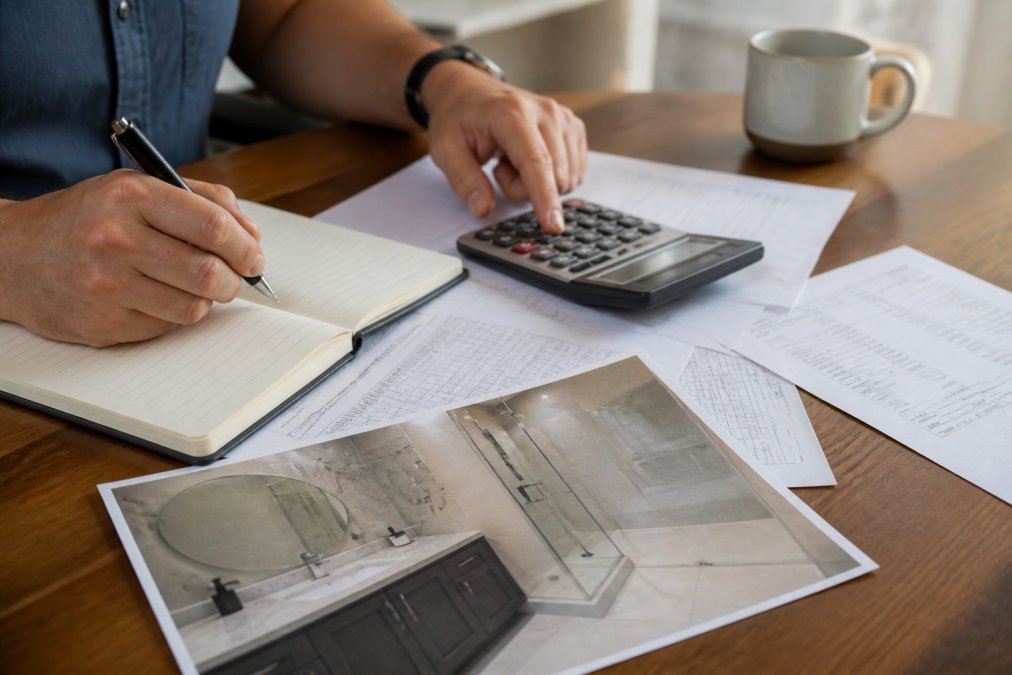
The material selection within each tier creates significant variation. A mid-range project using basic ceramic tile costs substantially less than one using natural stone. Fixture choices, whether you select standard models or designer pieces, shift the budget considerably. Labor costs also scale with complexity; a straightforward cosmetic update requires fewer specialized trades than a full gut renovation that demands coordination between plumbing, electrical, and structural work.
Understanding these tiers helps you make informed decisions about where to invest. Many homeowners find that targeting the mid-range renovation delivers the best balance between improved functionality, aesthetic appeal, and return on investment. A cosmetic update refreshes the space but doesn’t address underlying issues or significantly improve resale value. A full high-end renovation maximizes comfort and luxury but may exceed what your local market will return on resale.
What Factors Influence Bathroom Remodel Cost
Several concrete factors determine where your project lands within the pricing spectrum, and understanding each one helps you anticipate costs more accurately. The scope of work is the primary driver, whether you’re doing cosmetic updates, addressing plumbing and electrical changes, or executing a full gut renovation shapes everything that follows.
Scope of Work: Cosmetic vs. Full Gut Renovation
A cosmetic bathroom remodel cost focuses on surface-level improvements without structural or systems changes. You keep existing plumbing locations, electrical outlets, and the basic layout intact. This approach works well if your current bathroom layout functions properly and your main goal is updated aesthetics.
Cosmetic work includes fixture replacement, new flooring applied over the existing subfloor, fresh paint, updated lighting fixtures, and new hardware. The work is contained, the timeline is predictable, and unexpected issues are rare because you’re not opening walls or floors.
A full gut renovation removes nearly everything to the studs. All plumbing rough-in work is redone, electrical upgrades are installed throughout, and the layout can shift completely. This approach is necessary when the existing systems are outdated, when you want to relocate fixtures to improve flow, or when you discover structural issues that need addressing.
Full gut renovations reveal what’s hidden behind the walls, sometimes that’s good news, sometimes it’s costly surprises. The advantage is that you’re building a bathroom from the foundation up with modern materials, codes, and systems.
Most homeowners fall somewhere between these extremes. A semi-gut approach keeps the existing plumbing location but upgrades fixtures, replaces flooring properly with sub-floor assessment, and updates electrical for better lighting design. This middle ground addresses functional issues without the time and cost of a complete teardown.
Material Selection and Fixture Choices
Your material selections create the largest cost variations within any scope tier. Tile work illustrates this clearly. Basic ceramic tile costs significantly less than porcelain, which costs less than natural stone like marble or granite. A simple shower surround with standard tile is straightforward; a spa-inspired custom shower with multiple tile types, special waterproofing, and intricate layout demands more skilled labor and higher material costs.
Vanity selection follows the same pattern. Stock vanities with basic finishes cost considerably less than custom cabinetry built to your specifications. Countertop material matters too, laminate is budget-friendly, solid surface offers mid-range durability, and natural stone or quartz commands premium pricing. Fixture choices for faucets, showerheads, and hardware range from basic functional pieces to designer selections that anchor the aesthetic of the space.
Flooring material selection is particularly important because it affects both cost and the complexity of installation. Vinyl plank flooring is economical and water-resistant. Ceramic or porcelain tile offers durability and variety. Natural stone is beautiful but requires proper sealing and maintenance. Each choice impacts not just material cost but labor complexity and long-term performance.
Plumbing and Electrical Upgrades
Plumbing rough-in work, the pipes and drains that form the system’s backbone, becomes necessary when you relocate fixtures or upgrade systems. Moving a toilet location, relocating the shower, or adding a second vanity all require plumbing changes. If existing pipes are corroded or undersized, upgrading them while the walls are open is practical, even if not originally planned. Upgrading to modern drainage systems or adding ventilation improvements falls into this category.
Electrical upgrades often accompany bathroom renovations because older bathrooms frequently lack adequate outlets, proper lighting design, or ventilation fans. Building codes now require GFCI protection on all bathroom outlets, a safety requirement that may involve rewiring. Adding heated floors, ventilation fans, or improved lighting design all require electrical work.
These upgrades enhance functionality and safety, and addressing them during renovation is more efficient than doing them separately later.
Bathroom Renovation Timeline: What to Expect
The timeline for a bathroom renovation cost project depends primarily on scope, but several other factors influence how long the work takes. A cosmetic update typically requires two to four weeks from start to finish (NAHB expects remodeling growth). The work is contained, trades don’t need to coordinate extensively, and unexpected discoveries are unlikely because you’re not opening walls or floors.
A mid-range renovation usually takes six to ten weeks. This timeline accounts for the time needed to complete plumbing rough-in work, electrical upgrades, tile work, and finishing touches. If sub-floor repair is needed, that adds time. Permit approvals, if required, can extend the timeline depending on local processing times.
A full gut renovation typically requires twelve to sixteen weeks or longer. The scope is comprehensive, complete systems replacement, extensive tile work, potential structural issues, and careful coordination between multiple trades. If significant structural problems emerge, the timeline stretches further.
Several factors can compress or extend these timelines. Material availability affects scheduling; if custom tiles or fixtures are backordered, the project pauses. Permit processing times vary.
Unexpected discoveries, hidden water damage, outdated wiring, structural issues, require assessment and remediation, which adds weeks. Weather can impact projects if exterior access is involved. Contractor availability and scheduling also matter; busy contractors may have longer lead times before starting work.
A common mistake homeowners make is underestimating the timeline. Projects rarely finish faster than estimated; they frequently take longer. Building in buffer time prevents frustration. If you’re living in the home during renovation, expect disruption to your daily routine, no access to the bathroom, dust, noise, and contractor traffic. Planning for this reality helps you manage the experience.
Bathroom Renovation Permit Requirements and Building Codes
Bathroom renovation projects typically require permits in most jurisdictions because bathrooms involve plumbing, electrical, and structural considerations. Permit requirements exist to ensure work meets current building codes and safety standards. The specific requirements depend on your local authority having jurisdiction, in this region, that varies by municipality.
Building codes govern bathroom design and installation. Ventilation requirements specify that bathrooms must have either a window or a mechanical exhaust fan to manage moisture. Electrical codes require GFCI protection on all outlets within a certain distance of water sources. Plumbing codes specify minimum fixture spacing, drain sizing, and vent stack requirements. Structural codes address load-bearing walls and support for heavy fixtures like soaking tubs.
Permit applications typically require detailed plans showing the scope of work, materials being used, and how the work complies with current codes. The permit process includes inspections at key stages, after rough-in plumbing and electrical work, before drywall is installed, and after final finishing. These inspections verify that work meets code requirements.
The permit process adds time and cost to your project. Permit fees vary by jurisdiction and project scope. Processing times vary; some municipalities review applications within days, others take weeks. However, skipping permits creates serious problems. Unpermitted work can affect your ability to sell the home, may not be covered by insurance if problems arise, and creates liability if someone is injured due to code violations.
Working with an experienced renovation company like Mario Laflamme Contracting & Renovation Ltd simplifies the permit process. Professional contractors understand local code requirements, handle permit applications, and schedule inspections at the proper stages. This expertise prevents costly mistakes and ensures your bathroom renovation is completed to code.
Return on Investment and Resale Value
A bathroom renovation cost is an investment in your home’s functionality and appeal, but homeowners naturally wonder about financial return. The relationship between renovation investment and resale value is real but not dollar-for-dollar. A mid-range bathroom renovation typically returns 50-70% of its cost at resale, meaning if you invest in a quality mid-range project, you recover a substantial portion of that investment through increased home value (Peer-reviewed research on home renovation ROI).
High-end bathroom renovations often return a lower percentage because the market value ceiling for homes in any price range limits what buyers will pay. A $75,000 bathroom renovation in a $400,000 home may not add $75,000 to the home’s value; the market may only support a $30,000-$40,000 value increase. Cosmetic updates typically return a higher percentage because the investment is smaller and the aesthetic impact is immediate.
Beyond direct resale value, bathroom renovations improve daily living. A functional, attractive bathroom enhances your quality of life while you own the home. Updated plumbing and electrical systems are more reliable. Better ventilation reduces moisture problems. Improved lighting and layout make the space more pleasant to use. These benefits have value even if you never sell the home.
The timing of your renovation matters too. A bathroom renovation completed shortly before sale maximizes its appeal to buyers. A renovation done years earlier may show wear by the time you sell, reducing its impact on buyer perception.
Hiring a Professional Renovation Company
Selecting the right contractor for your bathroom remodel cost project is one of the most important decisions you’ll make. A skilled, reliable contractor manages complexity, prevents costly mistakes, and delivers results that match your vision. An inexperienced or unreliable contractor creates stress, budget overruns, and poor-quality work that requires costly fixes.
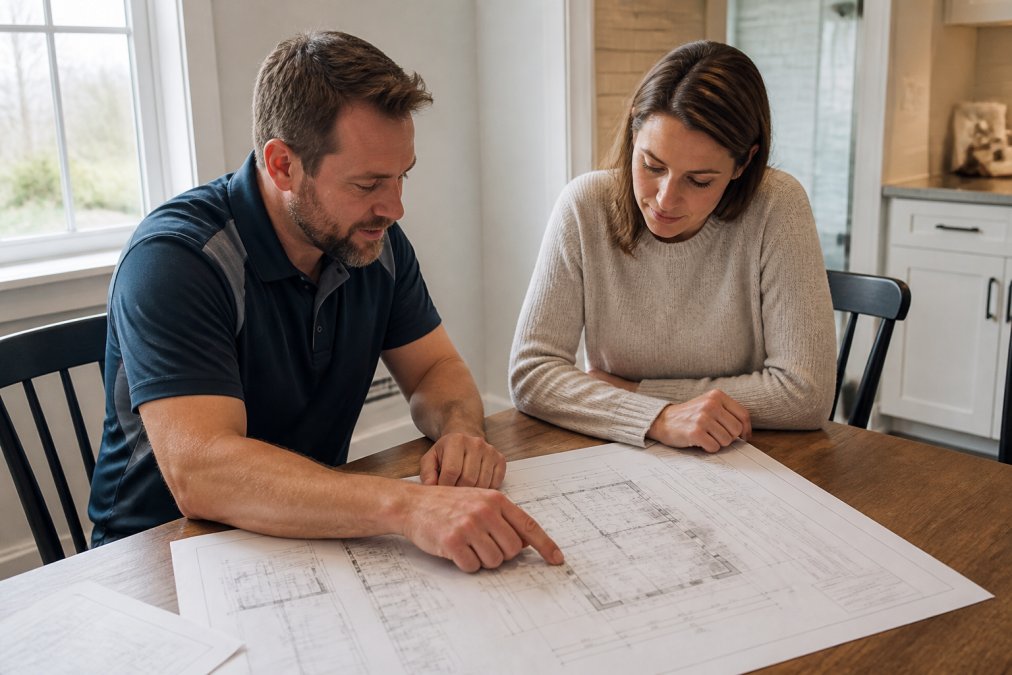
The contractor you choose should have specific experience with bathroom renovations. Ask about their experience with projects similar in scope to yours. Request references from recent clients, people in your area who’ve completed similar projects. Call those references and ask specific questions: Did the project stay on budget? Was the timeline met? How did the contractor handle unexpected issues? Would they hire this contractor again?
Licensing and insurance matter significantly. A licensed contractor has demonstrated competency and is accountable to regulatory bodies. Insurance protects you if someone is injured on your property or if damage occurs. Ask to see proof of current licensing and insurance coverage. Verify the license through your local authority.
Get detailed written estimates from multiple contractors. A thorough estimate breaks down costs by category, materials, labor, permits, disposal, and specifies what’s included and what’s not. Vague estimates that simply state a total price without breakdown create confusion and disputes. Compare estimates carefully, but don’t automatically choose the lowest price. The cheapest estimate often reflects corners being cut or inexperience that will cost you more in the long run.
Discuss how the contractor handles unexpected issues. Bathroom renovations frequently reveal problems hidden behind walls, water damage, outdated wiring, structural issues. Ask how the contractor will communicate when issues arise, how costs for addressing them will be determined, and what your options are. A contractor who explains this process clearly and has a systematic approach to managing surprises is more trustworthy than one who seems evasive.
Payment terms should be reasonable and protect both parties. A typical arrangement involves a deposit to secure the contractor’s commitment and cover initial material purchases, progress payments as work advances, and a final payment upon completion. Avoid paying the full amount upfront; this removes the contractor’s incentive to complete the work. Similarly, holding final payment until you’ve verified the work is complete protects you.
Communication style matters more than many homeowners realize. You want a contractor who listens to your vision, explains their recommendations clearly, provides regular updates on progress, and responds promptly to questions. A contractor who makes decisions without consulting you or who’s difficult to reach creates frustration and conflict.
Mario Laflamme Contracting & Renovation Ltd brings extensive experience in bathroom renovations. Our team manages every aspect of the project, from permit applications through final inspection, so you don’t have to navigate the complexity alone. We provide detailed estimates, maintain clear communication throughout the project, and handle unexpected issues systematically. We’re committed to delivering quality work that enhances your home’s functionality and value.
A bathroom remodel cost project is a significant undertaking, but understanding the factors that influence pricing, timeline, and outcomes helps you make informed decisions. Whether you’re planning a cosmetic refresh or a full gut renovation, the investment in quality work pays dividends in daily enjoyment and home value. Working with an experienced professional contractor removes uncertainty and ensures your project is completed properly.
Contact Mario Laflamme Contracting & Renovation Ltd for a free consultation to discuss your bathroom renovation vision. Our team will assess your space, explain your options, and provide a detailed estimate so you can move forward with confidence.
Frequently Asked Questions
Q: What does a realistic budget for a bathroom renovation look like in 2026?
A: Realistic bathroom renovation budgets vary widely depending on scope. A cosmetic update focusing on fixture replacement and fresh finishes costs less than a full gut renovation involving plumbing rough-in, electrical upgrades, and structural changes. Most homeowners benefit from getting multiple contractor estimates to understand local pricing.
Your budget should account for labour costs, material costs, permitting, and a contingency reserve for unexpected issues like sub-floor repair or waterproofing work.
Q: How long does a typical bathroom renovation timeline take?
A: A standard bathroom renovation timeline ranges from 3 to 8 weeks, depending on project complexity. Cosmetic updates with fixture replacement and new flooring materials typically take 3-4 weeks. Full gut renovations involving layout changes, plumbing rough-in, electrical upgrades, and tile work can extend to 8 weeks or longer. Permitting delays and unforeseen structural issues can add time. Your contractor should provide a detailed construction timeline during the planning phase.
Q: Do bathroom renovations increase home value and resale value?
A: Yes, bathroom renovations typically improve resale value, though the return on investment varies. Mid-range renovations with quality finishes, updated fixtures, and modern tile work generally recoup a higher percentage of costs than luxury spa-inspired upgrades. A 3-piece bathroom or powder room renovation often provides better ROI than high-end custom shower installations.
The actual resale value increase depends on your local real estate market and the quality of the renovation work performed.
Q: What permits and building codes apply to bathroom renovations?
A: Bathroom renovations typically require permits when they involve plumbing changes, electrical upgrades, or structural modifications. Local building codes govern waterproofing standards, ventilation requirements, and electrical safety. Your contractor should handle permit applications and inspections as part of the project scope. Skipping permits can create liability issues and complicate future home sales. Always verify permit requirements with your local authority before starting work.
This article was written using GrandRanker
Table of Contents
Start With Project Goals and a Clear ScopeDefine Menu and Service RequirementsSet Measurable Renovation GoalsCommercial Kitchen…
Table of Contents
Diagnose Your Basement Moisture Before InsulatingIdentifying water intrusion sourcesMeasuring moisture levelsBest Insulation for…