
What Are the Easiest Bathroom Fixtures to Keep Clean?
Last Updated: November 11, 2026
Quick Summary
Brushed nickel is the easiest bathroom fixtures finish for day-to-day upkeep, since its soft directional grain visually mutes water spots and soap residue. Matte black hides fingerprints best, while polished chrome and polished brass show every droplet and smudge. Pair a corrosion-resistant body with a satin or matte finish to cut cleaning frequency.
- Chrome is genuinely easy to wipe clean, but mineral deposits etch polished surfaces faster than satin ones.
- Matte black needs pH-neutral soap only, since abrasives polish the matte texture into shiny patches.
- Clean faucet finishes with a damp cloth and mild soap, then dry immediately to prevent spots.
- Reserve vinegar for chrome and stainless steel only, and rinse it off promptly.
- Acrylic panels and large-format tile cut grout lines where mildew and soap scum collect.
Table of Contents
- Why Some Bathroom Fixtures Stay Cleaner Than Others
- Brushed Nickel vs Chrome Bathroom Fixtures: Which Needs Less Upkeep?
- Bathroom Finishes That Hide Water Spots and Fingerprints
- How to Clean Bathroom Faucet Finishes Without Damaging Them
- Corrosion-Resistant Bathroom Faucet Materials That Last
- Cleaning and Maintenance Scorecard: Fixture Finishes Side by Side
- Planning a Low-Maintenance Bathroom Renovation
- Frequently Asked Questions
Why Some Bathroom Fixtures Stay Cleaner Than Others
The fixture that stays cleanest in your bathroom is the one whose surface hides what lands on it. Two things decide that: the base material underneath, and the finish applied over it. Most buying guides blur those together, which is why homeowners end up with a faucet that looks spotless in the showroom and streaky by week three.
Easy to clean bathroom fixture materials are a practical consideration in any renovation, and the pattern is consistent. A satin or matte surface scatters light, so water spots and fingerprints fade into the texture. A mirror-polished surface reflects it back at you.
Fixture material is the metal or composite a fixture is built from, such as brass, stainless steel, or acrylic. Fixture finish is the coating or plating on top, such as chrome, brushed nickel, or matte black. A corrosion-resistant body paired with a soft-sheen finish does more for your cleaning routine than either choice alone.
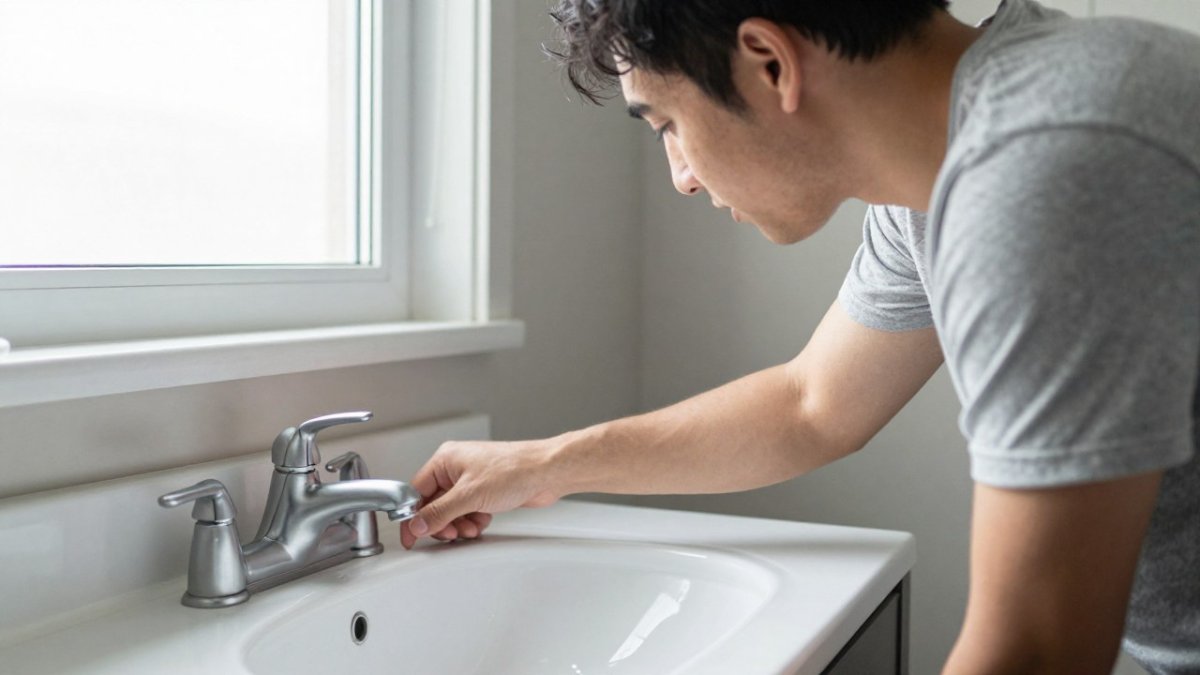
Brushed Nickel vs Chrome Bathroom Fixtures: Which Needs Less Upkeep?
Brushed nickel wins on day-to-day upkeep. Chrome wins on shine and often on price. That is the honest trade-off, and it has not changed.
Brushed nickel has a soft, directional grain that breaks up reflections. Water spots and soap residue dry on it but stay visually muted, so a quick wipe every few days keeps it presentable. Chrome is plated to a mirror polish, and every dried droplet and fingerprint reads clearly against it. The upside is that chrome is genuinely easy to wipe clean: one pass with a damp cloth and it looks new again.
Where chrome struggles is neglect. Mineral deposits etch into polished surfaces faster than into satin ones, and hard water in this region leaves its mark quickly. If you know you will clean weekly rather than daily, brushed nickel forgives you. If you enjoy a five-minute Saturday wipe-down and want the shine, chrome rewards that habit.
A common mistake is choosing chrome for a kids’ bathroom or a powder room guests use constantly. High-touch fixtures in polished finishes show every handprint within an hour.
Bathroom Finishes That Hide Water Spots and Fingerprints
Matte black hides fingerprints best. Brushed nickel hides water spots best. Polished chrome and polished brass hide nothing. Those three sentences cover most of the decision.
Matte black’s texture absorbs light and scatters oils from skin, which is why fingerprint smudges barely register. The catch is soap residue: white toothpaste splatter and hard-water chalk stand out sharply against a dark surface. Matte black also needs gentler cleaning, since abrasive pads can polish the matte texture into shiny patches that never blend back in.
Brushed gold and oil-rubbed bronze sit in the middle. Both have a low-sheen surface that softens water marks, and oil-rubbed bronze develops a darker patina over time that masks minor wear. Polished brass is the least forgiving option in the room: beautiful, but it shows every touch.
For a broader comparison of how finishes and materials work together across a full renovation, our guide on how to choose bathroom fixtures for a renovation walks through the selection process step by step.
How to Clean Bathroom Faucet Finishes Without Damaging Them
Clean bathroom faucet finishes with a damp cloth and a mild soap, then dry the surface immediately. The rest of the job is knowing which products are safe on which coating, because the cleaner usually does the harm, not the water.
The mechanism matters. Plated finishes rely on a thin decorative layer over a base metal; abrasives scratch that layer, acids attack it, and chlorine-based products can break down the protective topcoat on colored finishes. Once the coating is compromised, the base metal underneath is exposed to standing water and begins to pit or flake. That is why a scratched chrome faucet corrodes at the scratch, and why a stripped matte black coating turns patchy rather than wearing evenly.
Match the cleaner to the coating:
- Chrome and stainless steel: mild dish soap and water for routine cleaning; a 50/50 water and white vinegar mix is acceptable for occasional mineral removal, applied briefly and rinsed. Never leave vinegar to sit.
- Brushed nickel: mild soap and water; avoid abrasive pads and acidic cleaners, which dull the directional grain and can strip the plating at edges.
- Matte black and other powder-coated or PVD finishes: pH-neutral soap only; no abrasives, no acids, no chlorine. Abrasive pads polish the matte texture into shiny patches that cannot be blended back.
- Brushed gold and lacquered brass: pH-neutral soap and a soft cloth; acids and lacquer-stripping cleaners dull the finish permanently.
- Oil-rubbed bronze and unlacquered brass: mild soap and water; these are living finishes that darken with handling, and harsh cleaners strip the patina unevenly.
For routine cleaning:
- Wipe with a soft damp cloth and a drop of mild dish soap
- Rinse and dry with a second cloth, since standing water causes the spots
- Reserve vinegar for chrome and stainless steel only, and rinse it off promptly
- Skip abrasive pads entirely, even on stubborn mineral deposits
Corrosion-Resistant Bathroom Faucet Materials That Last
When you are weighing renovation materials more broadly, our article on how to choose bathroom renovation materials covers durability and cost trade-offs across the whole room.
Cleaning and Maintenance Scorecard: Fixture Finishes Side by Side
Most comparisons rank finishes by how they look in a showroom. A useful scorecard ranks them by what happens in a wet, high-touch bathroom over years. The table below scores each common finish on five criteria that actually drive your cleaning load, and it separates the coating from the body underneath, because the two fail in different ways.
| Finish (coating) | Typical base material | Visible water spots | Fingerprint visibility | Cleaning effort per wipe | Corrosion and wear behavior |
|---|---|---|---|---|---|
| Chrome | Brass or zinc alloy, plated | High | High | Low effort, high frequency | Plating can pit once chipped; polished surface shows etching from minerals |
| Brushed nickel | Brass or zinc alloy, plated | Low to medium | Medium | Low, weekly wipe | Directional grain masks micro-scratches; plating wear shows as dull patches |
| Matte black | Brass or zinc alloy, powder-coated or PVD | Medium | Low | Medium, gentler products | Coating can chip at edges; abrasives polish texture into shiny spots |
| Brushed gold | Brass, plated or PVD | Medium | Medium | Medium, pH-neutral only | Thin decorative layer; acids and lacquer-stripping cleaners dull it fast |
| Polished brass | Solid brass, unlacquered or lacquered | High | High | High, needs polishing | Unlacquered patinas and can be re-polished; lacquer wears unevenly |
| Oil-rubbed bronze | Brass, living finish | Medium | Medium | Low to medium | Living finish darkens and hides wear; harsh cleaners strip the patina |
Read the table by column, not by row. The water-spot column is driven mostly by gloss level: the flatter the sheen, the more light scatters and the less a dried droplet registers. The fingerprint column is driven by surface texture and oil absorption. The corrosion column is driven by the base material and the integrity of the coating, which is why a brass body with a worn finish still outlasts a zinc-alloy body with an intact one.
Water chemistry belongs in the scorecard too. Hard water leaves mineral deposits that etch polished plating faster than satin finishes, and the effect compounds in showers and tub spouts where droplets sit longest. If your water is hard, weight the water-spot and corrosion columns more heavily and lean toward a satin or living finish over a mirror polish. If your water is soft, the polished finishes become far more forgiving and the effort-per-wipe advantage matters more.
The pattern is clear once it is laid out. Satin and textured finishes reduce cleaning frequency; polished finishes reduce effort per cleaning but demand more of it. Neither is wrong. They suit different households, different water, and different tolerance for upkeep.
Planning a Low-Maintenance Bathroom Renovation
Start with the surfaces you touch most: faucets, shower controls, and the shower walls behind them. Those decisions matter more than the tub you look at.
For shower walls, acrylic panels and large-format tile or slabs both cut down on grout lines, which is where mildew and soap scum collect. A community discussion on bathroom upgrades that made cleaning easier points to the same conclusion: fewer seams, less scrubbing. Acrylic is warm to the touch and wipes clean easily; large slabs give you a more premium look with minimal grout. Pair either with a simplified fixture shape, since exposed ridges and hard-to-reach areas collect residue.
If you are also deciding between a tub and a shower, our comparison of walk-in shower vs bathtub pros and cons covers how each affects cleaning load. When you are ready to plan the work, explore our bathroom renovation services for St. Albert, or book a bathroom renovation consultation to talk through your space.
Choosing fixtures that stay clean is really a decision about how much time you want to spend cleaning them. Mario Laflamme Contracting & Renovation Ltd helps homeowners plan bathroom renovations with materials and finishes matched to real daily use, backed by professional project management and quality workmanship from first measurement to final install. Get started with Mario Laflamme Contracting & Renovation Ltd and build a bathroom that looks after itself.
Frequently Asked Questions
What is the easiest bathroom faucet finish to keep clean?
Brushed nickel is the bathroom fixture finish most often described as easy to manage day to day, because its satin texture breaks up the light that would otherwise highlight water spots and smudges. Chrome is smooth and simple to wipe but shows marks quickly. Matte black hides some spots yet attracts fingerprints and soap film. The finish you choose matters less than wiping the fixture dry after each use.
Which bathroom fixture finish shows the fewest water spots?
Brushed nickel and brushed gold hide water spots best because their low-sheen surface scatters light instead of reflecting it. Polished chrome and polished brass act like mirrors, so every dried mineral deposit stands out. If your water is hard, a brushed finish paired with a quick daily wipe will look cleaner than a polished one that is cleaned less often.
Are brushed or polished bathroom fixtures easier to clean?
Brushed fixtures are more forgiving because they hide streaks, fingerprints, and light water spots between cleanings. Polished fixtures are not harder to wipe, but they demand more frequency since marks are visible immediately. For a busy household, a brushed nickel or brushed gold faucet usually means less time spent polishing and fewer visible smudges on the vanity.
How do you clean bathroom fixtures without damaging the finish?
Use a soft damp cloth with mild soap and water, then dry the surface with a microfiber towel. Avoid abrasive cleaners, scouring pads, and bleach-based sprays, which wear down the surface coating on chrome, matte black, and brass over time. For mineral deposits, a diluted vinegar solution applied briefly and rinsed well is safer than scrubbing, and it keeps the finish intact longer.


Last Updated: November 12, 2026
Quick Summary
Custom home design typically takes several months before construction begins, moving through…

Last Updated: November 10, 2026
Quick Summary
The best roofing materials for St. Albert weather are those that handle hail, heavy snow, strong wind…