
Best Energy Efficient Roofing Materials for 2026
Last Updated: November 6, 2026
Quick Summary
The best energy efficient roofing materials in 2026 are reflective metal, cool-rated asphalt shingles, concrete or clay tile, and solar shingles, and the right pick depends on your roof pitch, your budget, and how long you plan to stay. Energy efficient roofing reduces heat gain in summer and heat loss in winter through reflective surfaces, added insulation, or ventilation.
- Reflective metal roofing reflects 60% to 90% of solar radiation depending on color and coating.
- Cool-rated asphalt shingles are the cheapest route into reflective performance.
- Solar shingles cost more than any other material on the list.
- Attic insulation and air sealing usually deliver more savings per dollar than the roof surface.
- Get a roofing assessment to check deck condition, ventilation, flashing, and pitch before choosing.
Table of Contents
- Quick Comparison: Energy-Efficient Roofing at a Glance
- What Is the Most Energy-Efficient Roofing Material?
- Energy-Efficient Metal Roofing: Reflective Performance That Lasts
- Tile, Slate, and Cedar: High-Mass and Natural Options
- Asphalt Shingles and Solar Shingles: Entry Points and Upgrades
- The Best Roof Color for Energy Efficiency
- Energy-Efficient Roof Cost and Whole-Life Value
- Get a Roofing Assessment Before You Choose
- Frequently Asked Questions
Quick Comparison: Energy-Efficient Roofing at a Glance
The best energy efficient roofing materials in 2026 are reflective metal, cool-rated asphalt shingles, concrete or clay tile, and solar shingles, and the right pick depends on your roof pitch, your budget, and how long you plan to stay.
Energy efficient roofing is a roof assembly that reduces heat gain in summer and heat loss in winter through reflective surfaces, added insulation, or ventilation. Material choice matters, but installation details decide how much of that performance you actually get.
| Material | Energy Benefit | Relative Cost | Lifespan | Best For |
|---|---|---|---|---|
| Reflective metal | Reflects solar radiation | Higher upfront | Long | Homeowners staying put |
| Cool asphalt shingles | Cool-rated granules | Moderate | Moderate | Tight budgets |
| Concrete or clay tile | Thermal mass, fire resistance | Higher | Long | Hot, sunny exposures |
| Solar shingles | Generates power | Highest | Long | Electrification plans |
| Slate and cedar | Natural mass, insulation | High | Long | Heritage and design-led homes |
That table is the short version. The rest of this guide explains why each material performs the way it does, where the claims get oversold, and how to judge cost against lifespan rather than sticker price.
For the companion guide on pairing roofing with siding decisions, see choosing siding and roofing for homes.
What Is the Most Energy-Efficient Roofing Material?
Reflective metal roofing is generally the most energy-efficient roofing material for most homes, because a cool-coated metal surface can bounce a large share of solar radiation before it turns into attic heat. According to Royal Roofing’s 2026 guide to energy-efficient roof materials, metal roofing reflects 60% to 90% of solar radiation depending on color and coating.
That range is wide, and the reason is simple: a dark metal panel without a reflective finish behaves very differently from a light, cool-coated one. The coating and the color do most of the work, not the metal itself.
Three factors decide real-world performance:
- Solar reflectance, which is how much sunlight the surface bounces back.
- Thermal emittance, which is how quickly the roof releases absorbed heat.
- The roof system, meaning insulation and attic ventilation beneath the surface.
A reflective panel over a poorly ventilated attic will underperform. That is the part most material comparisons skip.
Energy-Efficient Metal Roofing: Reflective Performance That Lasts
Metal roofing earns its reputation on two fronts: it reflects heat well when coated, and it lasts a long time. A 2026 comparison of roofing materials identifies standing seam metal as a pick for both longevity and energy efficiency, which is why it keeps showing up in material comparisons for 2026.
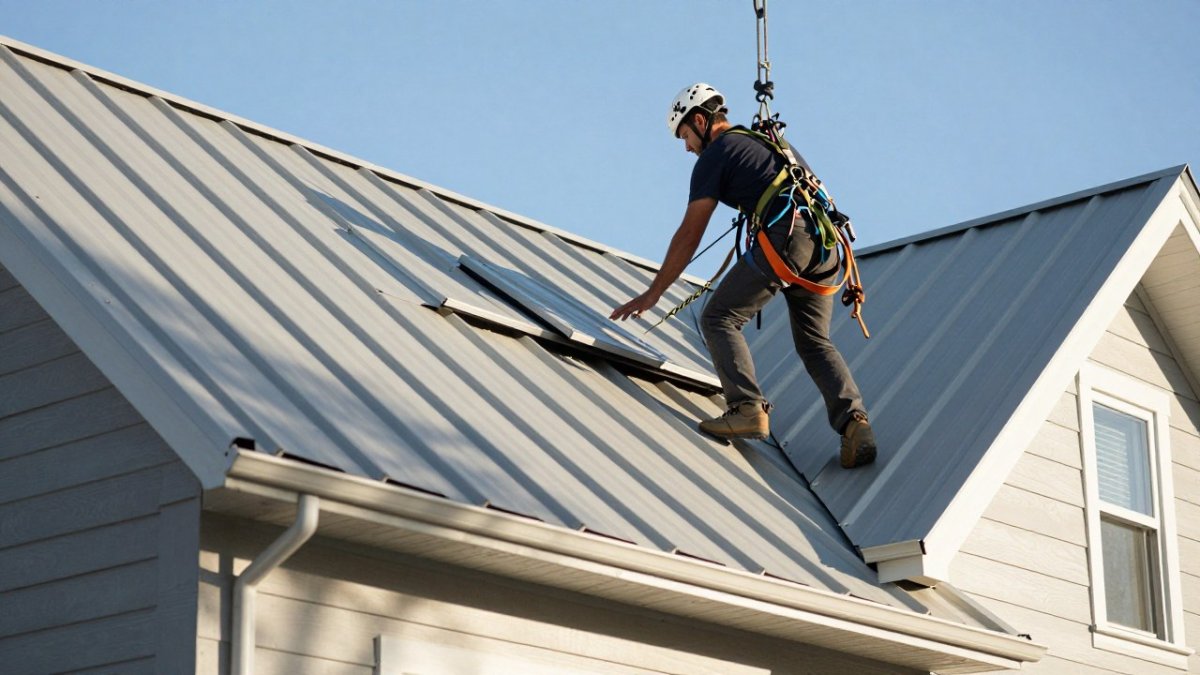
The catch is upfront cost. Installed metal pricing varies widely by profile, gauge, coating, and roof complexity, and no single figure covers every home. Ask for a quote measured against your actual roof area and pitch.
Best for: homeowners planning to stay 15 years or more, or anyone with a simple roof geometry that keeps installation straightforward.
Skip if: your budget is tight and your current shingles still have years left.
Tile, Slate, and Cedar: High-Mass and Natural Options
Tile, slate, and cedar work on a different principle than reflective metal. These materials rely on mass and, in cedar’s case, natural insulating structure, so they hold and release heat slowly rather than bouncing it away.
Concrete and clay tile are also naturally fire-resistant, a point a 2026 roofing guide on shingles and underlayment highlights as a selection factor. Slate appears in material comparisons alongside asphalt, metal, and tile, and separate guidance lists slate among naturally fire-resistant options.
The honest limitation: mass-based materials are heavy. Your roof structure has to carry them, and that structural question comes before any energy conversation. Cedar shakes need ongoing maintenance that tile and slate do not.
Asphalt Shingles and Solar Shingles: Entry Points and Upgrades
Asphalt remains the most common roof in most neighborhoods, and cool-rated asphalt shingles are the cheapest route into reflective performance. Cool-rated asphalt shingles are one of the more accessible ways to get reflective performance.
Solar shingles sit at the other end. They combine a roofing surface with power generation, and a 2026 overview of trending energy-efficient roofing lists solar roofing and solar shingles among the options worth considering. The trade-off is cost and complexity: solar shingles cost more than any material on this list, and the electrical work adds scope.
If you are planning an electric vehicle or a heat pump, solar-ready roofing is worth pricing now even if you install panels later.
The Best Roof Color for Energy Efficiency
Lighter roof colors generally absorb less solar heat than darker ones, though the product’s cool-rated performance matters as much as the color itself. Color affects surface temperature more than most homeowners expect. But color is only one variable, and the right choice depends on climate as much as on shade.
Why color matters mechanically. A dark surface absorbs more solar radiation and reaches a higher surface temperature. That heat conducts through the roof deck and radiates into the attic, raising the load on your cooling system. A light or cool-rated surface reflects more of that radiation before it becomes heat.
Two caveats worth knowing.
- A light roof looks different from the street, and some neighborhoods have design expectations.
- Cool-rated dark shingles exist, so you are not forced into white to get reflectivity.
Climate changes the answer. This is the part most color guides skip. The same roof color performs differently depending on where the home sits.
- Hot, sunny climates. Light or cool-rated surfaces deliver the clearest cooling benefit. Prioritize high solar reflectance and high emittance together.
- Cold, heating-dominated climates. A very reflective roof offers less benefit and can slightly increase heating demand in shoulder seasons. A darker or medium-toned roof with good insulation and ventilation is often the better balance.
- Humid climates. Reflectance still helps, but ventilation and moisture control matter more, because trapped moisture damages the roof system regardless of color.
- Snowy climates. Snow cover reduces the value of surface reflectance for part of the year, so weigh durability and snow-shedding profile alongside color.
- Wildfire-prone areas. Color is secondary to fire resistance; choose a Class A rated assembly first, then optimize color within that constraint.
How to decide. Match the color to the material’s rated performance, not to a paint chip.
Energy-Efficient Roof Cost and Whole-Life Value
Energy-efficient roof cost is best judged over the life of the roof, not at the quote stage. Every material on this list costs more upfront than a basic asphalt tear-off, and the payback comes from durability, cooling savings, and avoided replacement cycles.
Here is how the materials stack up on each of those five lines, in relative terms rather than invented dollar figures:
| Cost line | Reflective metal | Cool asphalt | Tile / slate | Solar shingles |
|---|---|---|---|---|
| Upfront material | Higher | Lowest | Higher | Highest |
| Installation complexity | Moderate to high | Low | High (structural) | High (electrical) |
| Maintenance | Low | Low to moderate | Low | Moderate (inverter) |
| Replacement cycle | Longest | Shortest | Long | Long |
| Energy savings mechanism | Reflectance + emittance | Cool granules | Mass + reflectance | Generation + reflectance |
A common pattern is that the cheapest roof wins on year one and loses by year twenty, because it is replaced two or three times while a metal or tile roof is still in service. That is the whole-life argument in one sentence, and it is why sticker price alone misleads.
How to estimate payback without guessing. Payback is annual energy savings divided by the extra upfront cost over a baseline roof. Savings generally depend heavily on attic insulation, air sealing, and ventilation, not just the surface material.
What actually moves the number.
- Attic insulation and air sealing. These usually deliver more savings per dollar than the roof surface itself.
- Ventilation. A reflective roof over a poorly ventilated attic traps heat instead of rejecting it.
- Roof pitch and overhangs. Shading and geometry change how much sun reaches the surface.
- Local climate. Cooling-dominated locations see more benefit from reflectance; heating-dominated ones see less.
- Replacement timing. Installing an efficient roof at end of life avoids paying twice.
Watch out: a low bid that skips underlayment upgrades or attic ventilation will cost you the energy savings you were promised, and a high reflectance rating on paper will not fix a roof system that was never detailed correctly.
For broader budgeting context on exterior work this year, our guide to budgeting exterior home renovations in 2026 walks through how roofing fits into a whole-house plan.
Get a Roofing Assessment Before You Choose
Before you commit to a material, get someone on the roof. An assessment checks deck condition, ventilation, flashing, and pitch, and those findings decide which materials are even viable for your home.
If you want to spot obvious problems first, our DIY exterior inspection checklist covers seven areas to check, including the roof. When you are ready to talk materials and installation, explore our roofing renovation and replacement services. And before you hire anyone, read our guide on what to look for in a reliable roofing contractor.
The right energy-efficient roof is the one that fits your home’s structure, your climate exposure, and your timeline, not the one with the best marketing. Mario Laflamme Contracting & Renovation Ltd handles roofing, siding, and full exterior renovations, with project management from assessment through installation. Get started with Mario Laflamme Contracting & Renovation Ltd and choose a roof that performs for decades.
Frequently Asked Questions
What is the most energy-efficient roofing material?
Reflective or cool-coated metal roofing is the strongest single answer. Metal roofing’s reflectance depends on color and coating, which lowers the heat load on the home below when the product is rated for it. Solar shingles go further by generating electricity on top of that. The catch is that a reflective surface only helps if the attic is properly insulated and ventilated, so the material and the roof system have to be planned together.
Do metal roofs make a home more energy-efficient?
They can, and the reflective finish is the reason. A cool-coated metal roof reflects most solar radiation instead of absorbing it, so less heat transfers into the attic. That reduces cooling demand in summer.
Metal also sheds snow readily, which matters in cold climates where ice damming is a risk. The gains depend on roof pitch, insulation levels, and whether the panels are installed with the correct underlayment and ventilation, so ask your contractor how the whole assembly performs, not just the panel.
Are light-colored shingles more energy-efficient than dark shingles?
Generally yes. Lighter colors reflect more solar radiation and absorb less heat, which is why the best roof color for energy efficiency tends to be white, light grey, or a pale tan. Dark shingles absorb more heat and can raise attic temperatures. That said, color is only one variable. A light asphalt shingle with a standard coating may perform worse than a dark metal panel with a cool coating, so check the product’s reflectance rating rather than judging by color alone.
Are energy-efficient roofing materials worth the extra cost?
It depends on how long you plan to stay and how the roof is built. Energy-efficient roof cost runs higher up front for metal, tile, and solar options, but those materials also tend to last longer, which spreads the cost over more years. The energy savings alone rarely pay back a premium roof quickly. The stronger case is whole-life value: fewer replacements, lower maintenance, and better resale appeal. Ask for a quote that separates material, labour, and any upgrade costs.
Which roofing material is best for cold climates?
Metal performs well in cold climates because smooth panels shed snow and reduce ice damming at the eaves. Concrete and clay tile also handle freeze-thaw cycles when installed correctly, and slate is durable but heavy and costly. Asphalt remains the most common choice for budget reasons. Whichever you pick, the details that matter most are ice-and-water shield at the eaves, adequate attic ventilation, and proper flashing, since those decide whether the roof performs through winter.


Quick Summary
Essential documents for custom home construction include a property survey, site plan, detailed architectural drawings,…

Last Updated: November 8, 2026
Quick Summary
To organize a small bathroom vanity, empty everything and sort by category first, then measure the…