
Choosing Siding and Roofing for Homes: A 2026 Guide
Table of Contents
- Factors to Consider When Choosing Siding and Roofing
- Best Siding Materials for Cold Climates
- Roofing Shingles and Materials for Cold Climates
- Roof and Siding Color Combinations for Curb Appeal
- Siding and Roofing Cost Estimate and Budget Planning
- How to Choose and Harmonize Your Siding and Roofing
- Environmental Impact and Sustainability Considerations
- Warranty and Insurance Implications
Last Updated: August 27, 2026
Factors to Consider When Choosing Siding and Roofing
Choosing siding and roofing is one of the most consequential decisions a homeowner makes. These exterior materials define your home’s appearance, protect your investment from weather, and significantly impact resale value. The right combination can add years to your home’s lifespan and reduce maintenance headaches.
Before settling on materials, understand the factors that matter: climate demands, durability expectations, maintenance reality, and how these materials work together as a system.
Climate and Weather Resistance
Your local climate is the non-negotiable starting point. Cold climates demand materials that expand and contract without cracking, resist freeze-thaw cycles, and shed snow and ice efficiently. Moisture barriers matter more in regions with heavy precipitation or temperature swings.
Wind resistance becomes critical in exposed areas. Vinyl siding can become brittle in extreme cold, while fiber cement maintains structural integrity across temperature ranges. Roofing shingles must handle ice damming, which occurs when melting snow refreezes at the eave.
Material Durability and Lifespan
Durability determines how long before replacement becomes necessary. Vinyl siding typically lasts 20-40 years (based on industry averages). Fiber cement performs longer, often 25-50 years.
Brick veneer and cedar shake can last 50+ years but require more active care. Standard asphalt shingles last 15-25 years, while premium options extend that to 30+ years (FEMA’s guide on roof replacement). A well-installed roof with proper moisture barriers outperforms a premium material installed poorly.
Maintenance Requirements and Long-Term Care
Some materials demand ongoing attention. Cedar shake requires regular treatment and inspection for rot. Brick veneer needs repointing every 20-30 years (as recommended by masonry experts). Vinyl siding can be damaged by impact. Fiber cement needs occasional resealing. The maintenance schedule you’re willing to commit to should drive your material selection. Many homeowners underestimate cost by calculating material expense but ignoring cumulative maintenance and repair costs over decades.
Best Siding Materials for Cold Climates
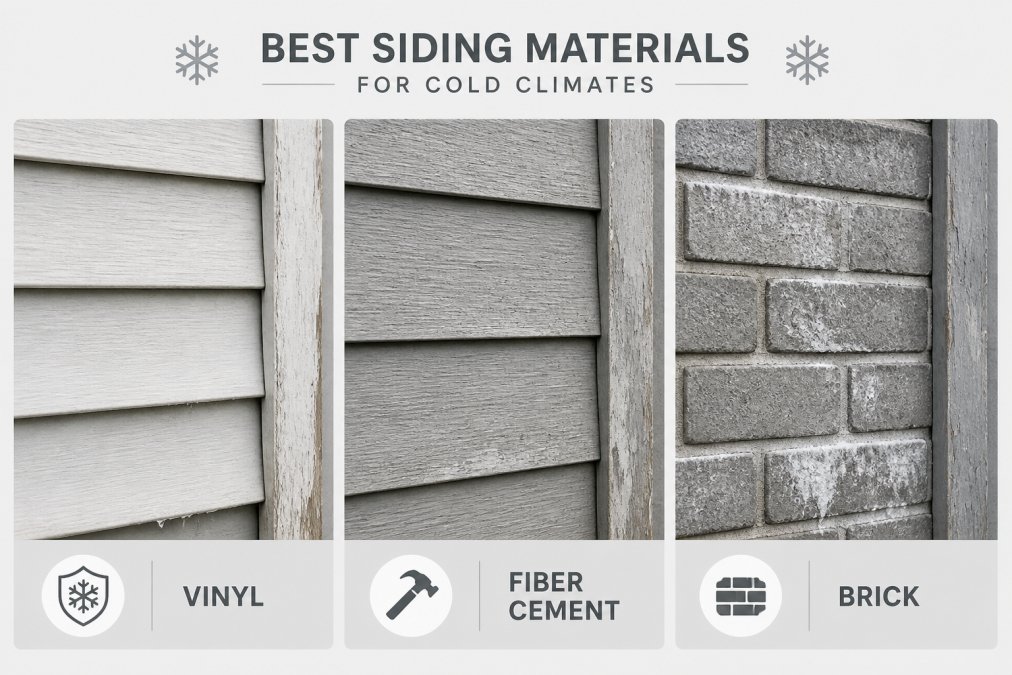
Cold climates require siding materials that perform reliably through freeze-thaw cycles without degradation. The best options resist moisture penetration, accommodate expansion and contraction, and maintain structural integrity across extreme temperature swings.
Vinyl Siding: Affordability and Practicality
Vinyl siding offers the lowest entry cost and straightforward installation. It doesn’t rot, doesn’t require painting, and resists moisture. The catch: vinyl becomes brittle in extreme cold and can crack if impacted. It also expands and contracts with temperature changes, creating visible gaps over time if installation wasn’t precise. Vinyl works well in cold climates when paired with quality underlayment and proper flashing.
Fiber Cement: Durability and Weather Performance
Fiber cement combines affordability with durability. It resists rot, doesn’t attract insects, and handles freeze-thaw cycles better than vinyl. The material is denser and more stable across temperature ranges, meaning fewer visible gaps and less seasonal movement. Installation requires more precision and periodic sealing, but the longevity and minimal seasonal movement make it the practical choice for cold climates when budget allows.
Brick Veneer and Cedar Shake: Traditional Strength
Brick veneer offers unmatched durability and timeless curb appeal, handling cold climate stress exceptionally well. Installation is labor-intensive and costly, and brick requires periodic repointing to maintain weather resistance. Cedar shake provides authentic character and natural insulation but demands regular treatment against rot and insect damage in cold, wet climates. Cedar is best suited to homeowners committed to active maintenance.
Roofing Shingles and Materials for Cold Climates
Roofing shingles must handle snow load, ice damming, and rapid temperature swings. Standard asphalt shingles work adequately but offer limited lifespan. Premium architectural shingles or metal roofing perform better across temperature extremes and shed snow more efficiently. Metal roofing excels in cold climates, it’s lightweight, reflects heat, and sheds snow naturally. Installation is more specialized and costly upfront, but longevity justifies the investment for long-term owners.
Proper ventilation and moisture barriers matter as much as shingle quality. Ice damming occurs when heat escapes through the roof, melting snow that refreezes at the eave. Adequate attic ventilation, proper insulation, and quality underlayment prevent this. The best roofing material performs poorly without these supporting systems.
Roof and Siding Color Combinations for Curb Appeal
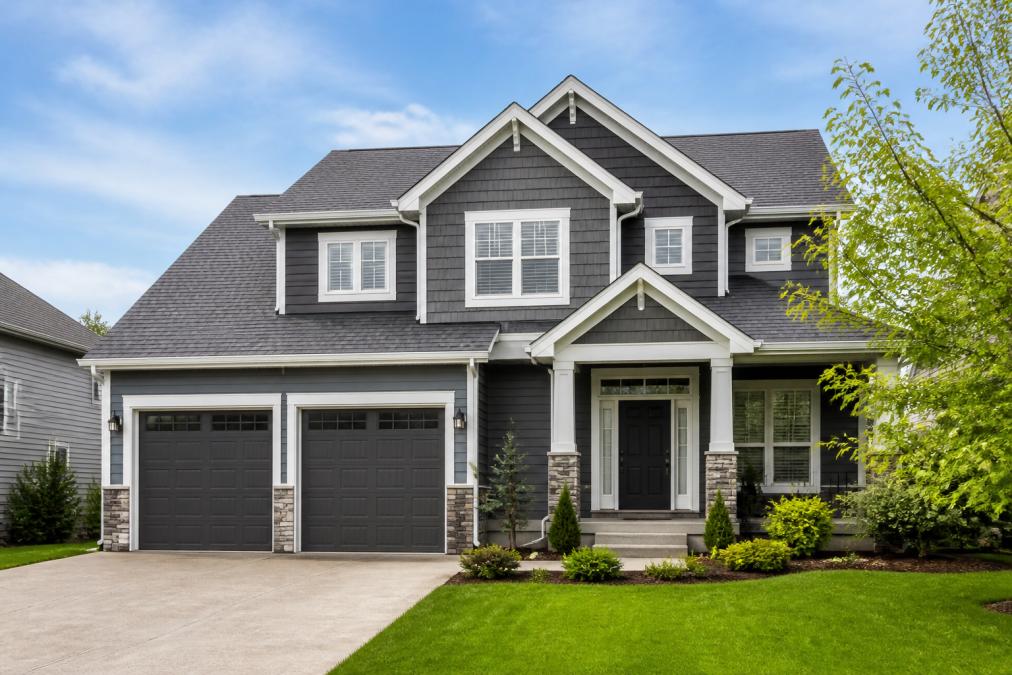
Choosing siding and roofing colors together creates visual harmony or discord. These decisions affect curb appeal, resale value, and how your home sits in the neighborhood context.
Warm vs Cool Tones: Finding Your Color Palette
Warm tones include creams, tans, warm grays, and earth reds. Cool tones include blues, cool grays, charcoals, and silvers. Your roof and siding should sit on the same temperature spectrum unless deliberately creating contrast.
A warm-toned siding pairs naturally with warm roof colors. A cool-toned siding pairs with cool roof colors. Shade contrast matters independently of temperature, a light siding needs darker trim and roofing to define edges.
Matte finishes read differently than semi-gloss or weathered textures.
Architectural Style and Aesthetic Consistency
Your home’s architectural style constrains realistic color choices. A traditional colonial looks awkward with ultra-modern charcoal and white. A contemporary home reads wrong in soft pastels.
Historic styles have conventional palettes: Victorians favor jewel tones and contrasting trim, farmhouses work with whites and naturals, cottages embrace muted greens and creams. Trim and accents act as visual punctuation, defining window frames and transitions. Coordinating trim with either siding or roofing creates visual flow.
Siding and Roofing Cost Estimate and Budget Planning
Material Costs and Installation Expenses
Material costs vary dramatically by type and quality. Vinyl siding costs less per square metre than fiber cement, which costs less than brick veneer. Installation labor also varies, vinyl is faster to install than fiber cement or brick.
Your total budget depends on material choice, home size, installation complexity, and local labor rates. Installation, underlayment, flashing, trim, and disposal of old materials add significantly to the final bill. A realistic budget includes contingency for unexpected issues discovered during installation.
Resale Value and ROI Analysis
Exterior upgrades contribute to home value, but returns aren’t dollar-for-dollar. A new roof or quality siding improves marketability and buyer confidence. Homes with mismatched or deteriorating exteriors sell slower and at lower prices.
A well-maintained exterior with coordinated siding and roofing signals quality and care. Premium materials like fiber cement recover more resale value than budget vinyl in higher-end neighborhoods. In moderate neighborhoods, buyers care that the exterior is functional and attractive, not that it’s premium.
How to Choose and Harmonize Your Siding and Roofing
Step 1: Assess Your Climate and Structural Needs
Document your climate reality: average winter temperatures, annual precipitation, snow load, wind exposure, and seasonal humidity. These factors determine which materials will perform reliably. Examine your home’s current condition for existing moisture damage, structural issues, or poor ventilation. A professional inspection identifies problems before you commit to material choices.
Step 2: Evaluate Material Performance and Longevity
Compare the realistic lifespan of each material option in your climate. Ask your contractor how each material performs in your specific conditions. Request references from homeowners who’ve installed these materials in similar climates for at least 5-10 years. Create a maintenance reality check and honestly assess whether you’ll commit to required upkeep.
Step 3: Align Colors and Design with Your Home’s Architectural Style
Pull inspiration from homes in your neighborhood with similar architecture. Test color samples on your home in different lighting conditions, colors look different in morning light, afternoon sun, and overcast weather. Order large samples and view them for several days before committing.
Step 4: Compare Costs and Plan Your Budget
Obtain detailed quotes from multiple contractors itemizing materials, labor, underlayment, disposal, and contingency. Compare apples-to-apples by ensuring each quote covers the same scope. Factor in timing, off-season installation may offer savings. Bundling siding and roofing sometimes provides contractor discounts.
Environmental Impact and Sustainability Considerations
Material sourcing and manufacturing impact environmental footprint. Vinyl is petroleum-based with end-of-life disposal concerns. Fiber cement uses recycled content in some products.
Brick is durable but energy-intensive to produce. Cedar is renewable if sourced responsibly but requires chemical treatment for longevity. Longevity is an underrated sustainability factor, a material lasting 50 years has lower environmental impact per year than one requiring replacement every 20 years.
Lighter-colored roofing reflects heat, reducing cooling demand. Proper insulation and ventilation affect heating and cooling efficiency more than material color alone.
Warranty and Insurance Implications
Material warranties vary significantly. Standard asphalt shingles carry 15-25 year warranties. Premium shingles and fiber cement offer 25-50 year warranties.
Brick carries no typical warranty but lasts indefinitely if maintained. Read warranties carefully, many are prorated and require specific maintenance to remain valid. Installation quality affects warranty validity; improper installation voids many warranties.
Some insurers offer discounts for newer roofs or fire-resistant materials. Discuss insurance implications with your provider before committing to material choices.
Choosing siding and roofing requires balancing climate performance, aesthetic vision, maintenance reality, and budget constraints. The decision affects your home’s durability, curb appeal, and long-term value. Mario Laflamme Contracting & Renovation Ltd helps homeowners navigate these choices by assessing structural needs, recommending climate-appropriate materials, and coordinating colors and design for lasting curb appeal.
Get a free consultation to discuss your specific exterior renovation needs and receive personalized material recommendations backed by professional expertise.
Frequently Asked Questions
Q: What are the best siding materials for cold climates?
A: Fiber cement, vinyl, and brick veneer are top choices for cold climates. Fiber cement resists freeze-thaw cycles and UV damage exceptionally well. Vinyl is affordable and low-maintenance but can become brittle in extreme cold. Brick veneer offers superior durability and thermal performance but requires higher installation costs. Choose based on your climate zone’s temperature swings, moisture levels, and your maintenance preferences.
Q: How do I match siding and roof colors for better curb appeal?
A: Start by choosing a dominant color for your siding, then select roofing that complements it. Cool-toned siding (grays, blues) pairs well with darker, neutral roof colors. Warm-toned siding (creams, browns) works with warmer roof shades.
Ensure your trim and accents create contrast without clashing. Your home’s architectural style should guide the palette, traditional homes suit classic combinations, while modern designs allow bolder contrasts. Visual simulation tools can help preview combinations before committing.
Q: What factors affect the longevity of roofing and siding materials?
A: Climate, installation quality, maintenance, and material grade all impact lifespan. UV exposure degrades materials faster in sunny regions; freeze-thaw cycles in cold climates accelerate wear. Proper installation ensures moisture barriers and structural integrity. Regular maintenance, cleaning, inspection, and repairs, extends life. Material longevity varies by type and quality. Choose materials rated for your specific climate zone.
Q: How much does siding and roofing cost to install?
A: Costs depend on material choice, home size, complexity, and labor rates. Vinyl siding is most affordable; fiber cement and brick cost more. Roofing prices vary by material and pitch. Installation expenses depend on your location and contractor. For an accurate estimate tailored to your home and preferences, contact a local contractor for a detailed quote. They can assess your specific needs and provide transparent pricing based on material selection and scope.
This article was written using GrandRanker
Table of Contents
Diagnose Your Basement Moisture Before InsulatingIdentifying water intrusion sourcesMeasuring moisture levelsBest Insulation for…
Table of Contents
1. Optimize Your Small Kitchen Layout Ideas for Better FlowGalley Layouts for Narrow SpacesL-Shaped ConfigurationsSingle-Wall…