
Exterior Home Improvement Trends in St. Albert
Last Updated: October 22, 2026
Quick Summary
Exterior home improvement trends in St. Albert for 2026 favor low-maintenance materials, deeper rooflines and better insulation. Homeowners are choosing fiber cement or quality vinyl siding, architectural shingles with better ice-and-water membrane coverage, and exterior insulation paired with air sealing. Design choices that survive freeze-thaw, like deep overhangs and generous roof pitch, matter more than trendy finishes.
- Siding replacement is the most requested exterior upgrade, usually vinyl versus fiber cement.
- Treat siding, roofing and insulation as one project to pay scaffolding and access costs once.
- Exterior renovation cost depends on scope, material grade, access and hidden conditions.
- Hold a contingency of roughly ten to twenty percent on top of the quoted scope.
- Book exterior work early because it is weather-dependent and spring fills fast.
Table of Contents
- Why Exterior Home Improvement Trends Matter in St. Albert
- The Upgrades Homeowners Are Choosing: Exterior Renovation Trends
- Home Exterior Design Ideas That Suit Local Homes
- What Exterior Renovation Cost in St. Albert Really Depends On
- Your Exterior Renovation Planning Checklist
- Choosing a Local Contractor and Reading Their Portfolio
- Conclusion
- Frequently Asked Questions
Why Exterior Home Improvement Trends Matter in St. Albert
Exterior home improvement is the work of upgrading a house’s outside shell, systems and finishes to improve durability, energy performance and curb appeal. This guide from Mario Laflamme Contracting & Renovation Ltd covers the trends homeowners are actually choosing in 2026, what drives exterior renovation cost in St.
Here’s what most guides get wrong: they treat trends as pure aesthetics. On a northern Alberta property, the finish that looks best in a photo is often the one that fails first.
Below, we’ll show you exactly how to sort the two apart, starting with the upgrades homeowners are choosing right now.
The Upgrades Homeowners Are Choosing: Exterior Renovation Trends
The dominant exterior renovation trends in 2026 favor low-maintenance materials, deeper rooflines and better insulation. Homeowners are moving away from quick cosmetic fixes toward assemblies that hold up through winter and reduce heating demand.
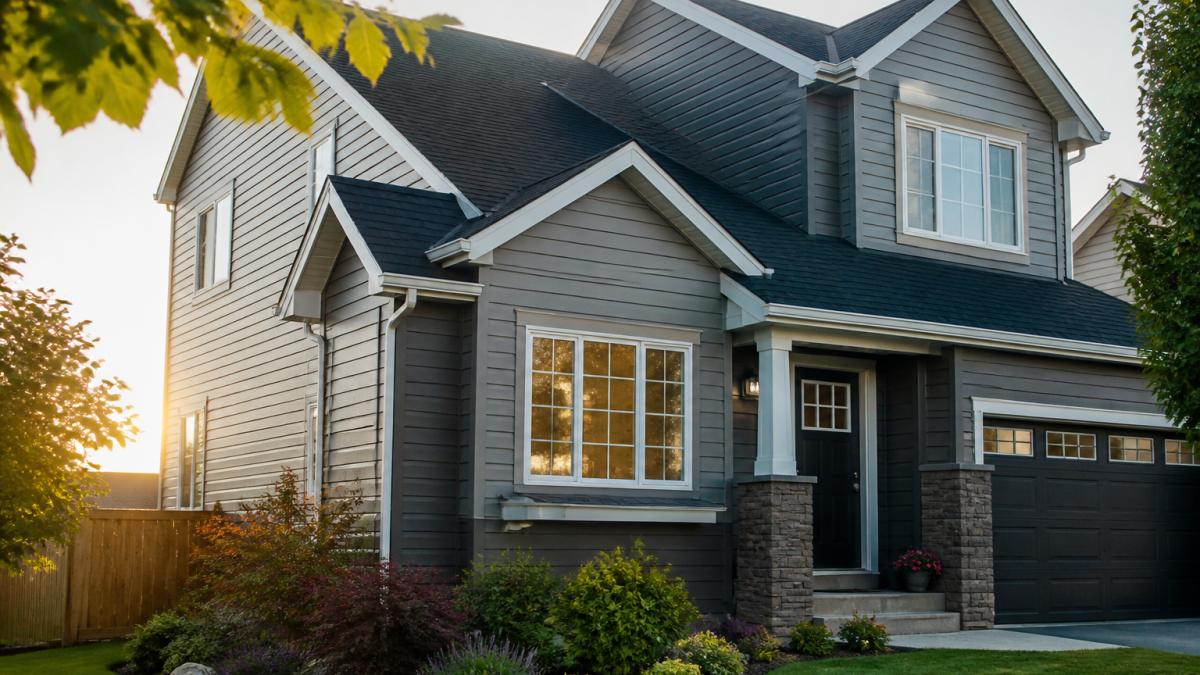
Siding Replacement: Vinyl and Fiber Cement
Siding replacement is the most requested exterior upgrade we quote, and the choice usually comes down to vinyl versus fiber cement. Vinyl siding is the budget-friendly option: it installs fast, needs little upkeep and suits tight budgets.
Which one fits your home? If you’re staying long term, fiber cement usually wins on lifecycle cost. If you’re renovating to sell within a few years, quality vinyl is the smarter spend.
Roofing Upgrades and Exterior Insulation
Roof replacement and exterior insulation are the two upgrades that quietly do the most work in this climate. On the roofing side, homeowners are choosing heavier architectural shingles, better ice-and-water membrane coverage at the eaves, and improved attic ventilation. On the wall side, exterior insulation boards added during a siding project cut heat loss and reduce condensation inside the wall assembly.
The thing nobody tells you about exterior insulation is that it works best when paired with air sealing. Adding rigid board over a leaky wall helps, but sealing the gaps first multiplies the benefit. We recommend treating siding, roofing and insulation as one project when the timing lines up, because the scaffolding and access costs only get paid once.
If your siding is coming off anyway, that’s the cheapest moment you’ll ever get to add exterior insulation. Doing the two together usually costs less than two separate projects a few years apart.
Home Exterior Design Ideas That Suit Local Homes
Home exterior design ideas that work here start with the roof pitch, not the color palette. Steeper roofs shed snow better, deeper overhangs protect walls from rain and melt, and darker trim hides road splash. From there, the choices that age well are simpler than most trend lists suggest.
Design Choices That Survive Freeze-Thaw
The design decisions that matter most in a northern climate are the ones that keep water moving away from the assembly. Freeze-thaw cycles are unforgiving: water that gets behind a finish, sits in a joint, or pools at a flashing expands when it freezes and works the assembly apart season after season. Good design removes those traps.
- Deep overhangs and covered entries: shelter that also reads as intentional design, and the single most effective way to keep rain and melt off walls and doors.
- Generous roof pitch: steeper slopes shed snow faster and reduce the time meltwater sits at the eaves.
- Proper flashing and drip edges: unglamorous, but the detail that decides whether a finish lasts.
Where Trend Lists Get It Wrong
Most trend roundups treat design as pure aesthetics. On a northern property, the finish that looks best in a photo is often the one that fails first. A flat wall with no overhang and a trendy dark stain may photograph beautifully and then show every meltwater streak by the second winter.
Modern design gets attention, but home character is what buyers remember. A house that looks like it belongs on its street tends to hold value better than one chasing the trendiest finish.
Design for water first, style second. Overhangs, pitch and flashing protect the finish you paid for; without them, even premium materials age badly.
What Exterior Renovation Cost in St. Albert Really Depends On
Exterior renovation cost in St. Albert depends on scope, material grade, access and what’s hiding behind the walls. There’s no honest single number, and any contractor who quotes one before seeing your house is guessing. What a useful estimate does instead is separate the work into visible scope, probable hidden scope, and a contingency line, then price each one.
Four factors move the budget most:
- Scope: one wall versus the full envelope. A single elevation is a fraction of a full wrap, but scaffolding and setup costs don’t scale down as fast as the wall area does.
- Material grade: builder-grade vinyl versus fiber cement versus engineered wood. The material line can swing widely between tiers, and the labor to install heavier boards is higher too.
- Access and height: scaffolding, steep lots, tight side yards and mature landscaping all add setup time that shows up on the invoice.
- Hidden conditions: rot, failed flashing, outdated vents or wiring discovered after demolition. This is the line that turns a tidy budget into a stressful one.
Comparing Materials on More Than Upfront Price
The number that matters is lifecycle cost, not sticker price. A practical way to compare siding and roofing options is to weigh five things side by side: upfront cost, expected lifespan, maintenance burden, insulation performance, and how the finish ages in a freeze-thaw climate.
- Vinyl siding: lowest upfront cost, light maintenance, shorter lifespan than fiber cement, and it can become brittle in extreme cold if installed too tight.
- Fiber cement siding: higher upfront cost, long lifespan, holds paint predictably, resists impact and moisture, but heavier to install and needs proper clearances.
- Engineered wood: mid-to-high upfront cost, good appearance, sensitive to moisture at end grain and edges if detailing is poor.
A common pattern is that the cheapest material wins on day one and loses over a fifteen-year horizon once repainting, repair and premature replacement are counted. The right answer depends on how long you plan to own the home.
Budgeting Mechanics That Actually Help
Financing and phasing matter as much as material choice. Many homeowners split the work across two seasons, starting with the roof or the most damaged wall, and use a line of credit or a renovation-specific loan rather than draining savings.
We walk every client through what’s visible before demolition and what could change after, so the budget conversation happens early rather than mid-project. Ask for the estimate broken into labor, materials, disposal and contingency, not one lump sum.
Skipping a pre-inspection to save a little money is the most common budget mistake we see. Hidden rot or failed flashing found after demolition can turn a straightforward siding job into a much larger repair, and the contingency line is what absorbs it.
Ask each contractor to quote the same written scope so the numbers are comparable. Apples-to-apples quotes expose whether a low bid is missing disposal, weather barrier, or trim.
Your Exterior Renovation Planning Checklist
An exterior renovation planning checklist keeps a seasonal project on schedule and on budget. Use this one before you sign anything:
- Confirm the real problem: water intrusion, heat loss, or appearance
- Get a written scope covering materials, timeline and payment schedule
- Ask how hidden conditions are handled and priced
- Check permit requirements with the local authority before work starts
Project planning is where most stress gets avoided. A clear scope, a realistic schedule and an honest conversation about what could change will do more for your experience than any single material choice.
The best exterior project is the one planned around the season, not squeezed into it. Book exterior work well before the weather window opens.
Choosing a Local Contractor and Reading Their Portfolio
Choosing a local contractor comes down to three checks: proof of licence and insurance, a portfolio of completed projects you can actually visit, and references from homeowners who did similar work. Customer reviews help, but they’re no substitute for seeing a finished exterior in person and asking the owner how the process went.
When you read a contractor portfolio, look for range and repetition. A general contractor who shows siding, roofing and fencing projects across different home styles is more likely to handle surprises than one with a single showpiece build.
We recommend asking every shortlisted contractor the same questions, in writing:
- Are you licensed and insured, and can you show documentation?
- Who is on site day to day, and who do I call?
- How do you handle change orders and surprise costs?
- Can I speak with past clients in St. Albert?
At Mario Laflamme Contracting & Renovation Ltd, we provide comprehensive renovation solutions, from custom home builds to siding, roofing and fencing, with professional project management from start to finish.
Canadian Home Builders’ Association guidance on hiring a renovator
Conclusion
Exterior work on a northern Alberta home rewards planning over speed. The materials that last, the insulation that pays you back, and the contractor who shows you the whole picture before demolition starts are what separate a good renovation from an expensive lesson.
If you’re weighing siding, roofing or a full exterior refresh, Mario Laflamme Contracting & Renovation Ltd can help you sort out what your home actually needs.
Frequently Asked Questions
What exterior home improvements add the most value?
Siding replacement and roofing tend to return the most because buyers price them into an offer immediately. A worn roof or faded vinyl siding reads as a future expense, while new fiber cement or quality vinyl signals a maintained home. Exterior insulation and window upgrades also help by lowering heating costs, which matters through long prairie winters.
Curb appeal improvements such as a new front entry, updated railings and fresh trim cost less but change how the house photographs online. Ask a contractor which items are near the end of their service life before spending on cosmetic work.
How much does an exterior renovation cost in St. Albert?
Exterior renovation cost in St. Albert depends on the size of the home, the materials chosen, how much of the existing assembly can stay, and whether the work happens in one stage or several. Siding, roofing, insulation and fencing are priced separately, and a quote that bundles them should still break each one out.
Pricing also shifts with material availability and the season you book. Because no two homes have the same wall area or roof pitch, ask for an itemized written quote rather than a single lump figure, and confirm what is excluded before signing.
Do I need a permit for exterior renovations in St. Albert?
Not every exterior job needs a permit, but several common ones do. Roofing and siding replacement usually fall under building permit rules when structural work or sheathing replacement is involved, and fencing, decks and additions typically require permits with setback and height limits checked against your property lines. Requirements come from the local municipality and, for some work, Alberta’s building code, so confirm with the city before work starts.
A contractor who handles permits as part of the job will tell you which approvals apply and build the timeline around them.
When is the best time to replace siding or roofing?
Late spring through early fall is the practical window for siding and roofing in this climate. Sealants, caulking and some coatings need temperatures above roughly 5°C to cure properly, and shingles seal down better in warm weather. Booking in winter or early spring often gets you on the schedule sooner and can reduce scheduling pressure, with the actual install timed for warmer weeks.
If you are planning exterior renovation work alongside interior projects, sequence the exterior first so the envelope is closed before anything else begins.
Table of Contents
Start With Project Goals and a Clear ScopeDefine Menu and Service RequirementsSet Measurable Renovation GoalsCommercial Kitchen…
Table of Contents
Diagnose Your Basement Moisture Before InsulatingIdentifying water intrusion sourcesMeasuring moisture levelsBest Insulation for…