
Modern Bathroom Design Trends for 2026: What to Choose
Last Updated: October 29, 2026
Quick Summary
The main bathroom design trends for 2026 are natural materials and stone surfaces, warm neutral colour palettes, walk-in showers and wet-room layouts, and layered lighting. The trends emphasise comfort, practical layouts and finishes that hide water marks well.
- Honed and matte stone finishes hide water spots better than polished surfaces.
- Warm neutrals like greige, soft clay and cream are easy to live with and age well.
- A frameless glass enclosure opens the room visually and is easier to clean.
- Layer ambient, task and accent light, and light mirrors from the side at face height.
- Order long-lead items like cabinetry and tile before demolition to avoid delays.
Table of Contents
- Natural Materials and Stone Surfaces Leading Bathroom Design Trends for 2026
- Colour Palettes: Warm Neutrals, Pastels and High-Contrast Accents
- Walk-in Showers and Wet-Room Layouts: Practical Walk-in Shower Ideas
- Small Bathroom Design Ideas That Still Feel Modern
- Bathroom Lighting Ideas: Layered Light, Mirrors and Smart Controls
- Vanities, Storage, Hardware and Fixtures: Costs, Durability and Upkeep
- Planning Your Bathroom Renovation: Sequencing and Booking a Consultation
- Frequently Asked Questions
Modern bathroom design trends for 2026 are moving toward natural materials, warm colour, and comfort-focused layouts. The trends below reflect the direction of current bathroom design.
Natural Materials and Stone Surfaces Leading Bathroom Design Trends for 2026
Untreated natural finishes, including stone, are back in favour for bathrooms in 2026.
Stone brings its own maintenance questions. Practical guidance on choosing renovation materials can help you compare options before you decide. Honed and matte finishes hide water spots better than polished surfaces, which show every drip. Sealing schedules matter too, so ask about them before you choose.
Layered textures help the room feel finished. Pair a stone or handmade tile with timber, wool-look fabric, or a textured paint, and the space reads as calm rather than clinical. Warm materials blended with modern fixtures are a common approach in current design guidance, as Modern Matter’s 2026 bathroom design trends article notes.
Colour Palettes: Warm Neutrals, Pastels and High-Contrast Accents
Warm neutrals lead the palette for 2026. Greige, soft clay, and cream are easy to live with and age well. They also suit both small and large rooms.
Pastels are returning in a softer form. Muted sage, powder blue, and blush appear on walls and vanities rather than as bold statements. Duravit’s 2026 bathroom trends guide highlights pastel shades and greige as part of its colour direction.
High-contrast accents work when kept to a few elements. A black tap, black framed mirror, or dark vanity against light walls gives the room definition. A good approach is to choose one accent colour and repeat it in two or three places. Too many contrasting finishes make a bathroom feel busy.
Walk-in Showers and Wet-Room Layouts: Practical Walk-in Shower Ideas
A frameless glass enclosure opens the room visually and is easier to clean than a shower-tub combination. Compare a walk-in shower with a bathtub to see which layout suits your home.
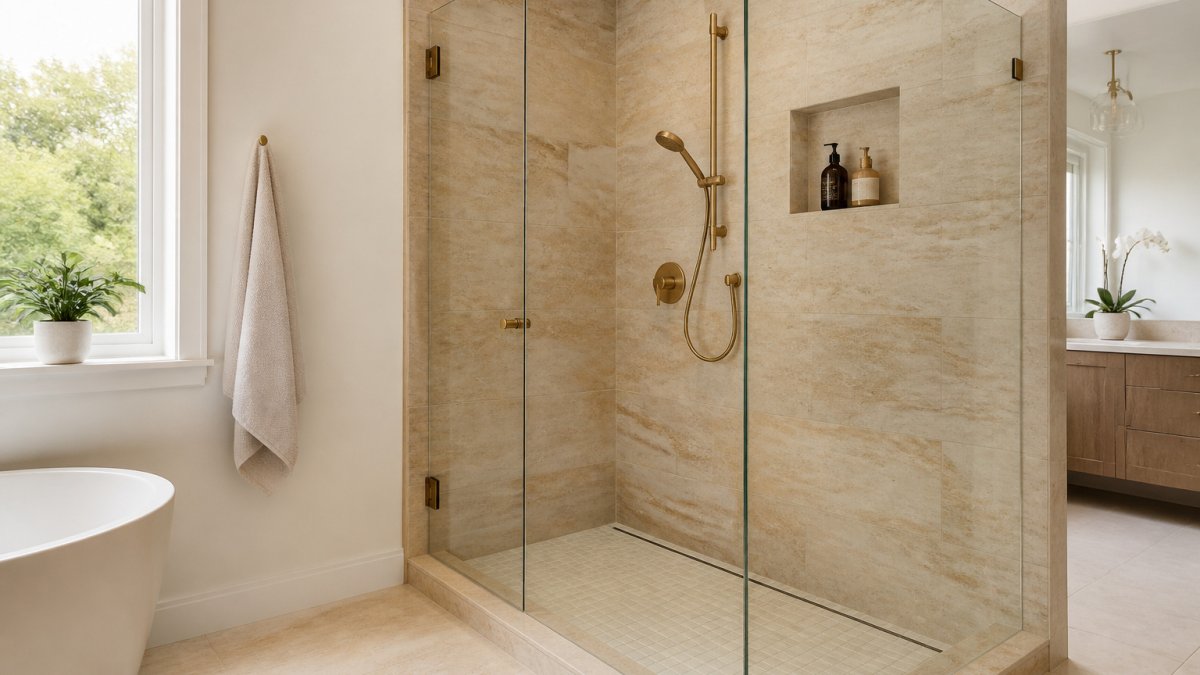
Wet-room layouts take this further by removing the step entirely and sloping the floor to a drain. They suit smaller bathrooms well, but they require careful waterproofing and proper drainage. Confirm that the installer handles the membrane and slope correctly, since errors there cause the most expensive problems.
Practical details matter more than the look. Consider a built-in niche for shampoo, a handheld shower head for cleaning, and a bench if the space allows. Sweeten’s bathroom renovation ideas for 2026 also points to comfort and storage as priorities for current renovations.
Small Bathroom Design Ideas That Still Feel Modern
Small bathrooms benefit from the same trends as large ones. The difference is in scale. Wall-hung toilets and floating vanities free up floor space and make the room feel larger.
Light colours and reflective surfaces help. A large mirror, or a mirror that runs the width of the vanity, adds depth. Choose one statement finish, such as a stone-look tile on one wall, and keep the rest simple.
Storage needs to work harder in a small room. A deep vanity with drawers usually beats open shelving, which collects clutter. Recessed niches save space without protruding into the room.
Bathroom Lighting Ideas: Layered Light, Mirrors and Smart Controls
Lighting is often the difference between a bathroom that looks dated and one that looks current. Layer three types of light: ambient ceiling light, task light at the vanity, and accent light such as LED strips under a vanity or in a niche.
Mirrors should be lit from the side at face height. Lighting only from above creates shadows under the eyes. Warm white bulbs, around 2700K to 3000K, suit most bathrooms better than cool white.
Smart controls are increasingly common. Dimmers, motion-activated night lights, and app-controlled fixtures add convenience. Keep the wiring plan simple, though, and confirm it with your electrician before the walls close.
Vanities, Storage, Hardware and Fixtures: Costs, Durability and Upkeep
Vanities anchor the room, so they deserve careful choice. Floating vanities look modern and make cleaning easier, but they need solid wall blocking to carry the load. Shaker-style cabinetry remains popular for its timeless profile.
Vanity and Storage Costs
Costs vary widely with materials, fixture quality, and labour. Pricing depends on the scope, materials, and finishes of your project, so request a quote for current figures.
A consultation gives you a quote based on your actual layout and finishes. Ask any contractor about warranty terms and what the quote includes before you sign.
Durability and Maintenance Trade-offs
Hardware finish affects both look and upkeep. Brushed brass and matte black are current favourites. Polished finishes show fingerprints and water marks, so choose a finish that suits how the room is used. Matte and brushed finishes generally hide water spots better than polished chrome or nickel.
Vanity materials matter in a wet room. Solid wood and plywood cabinets hold up better than particleboard in humid conditions, especially around sinks and showers. Moisture-resistant MDF is a reasonable mid-range option, but it still needs good ventilation. Stone countertops generally require periodic sealing, while quartz and solid-surface options are typically easier to maintain.
Storage needs to work harder in a small room. A deep vanity with drawers usually beats open shelving, which collects clutter. Recessed niches save space without protruding into the room. Wall-hung toilets and floating vanities free up floor space and make the room feel larger, but they require in-wall carriers and blocking planned before rough-in.
Before ordering, confirm lead times for cabinetry, tile, and fixtures. Custom vanities and imported tile can take several weeks to arrive, and delays there stall the whole project.
Fixtures and Finishes
Sculptural or statement fixtures are a trend, but they should earn their place. A freestanding tub or a distinctive vessel sink can anchor the design, while standard fixtures elsewhere keep the budget balanced. Choose one statement finish, such as a stone-look tile on one wall, and keep the rest simple.
Ask about repairability. Some finishes and tiles are difficult to patch or match later. Keep spare tiles and record product names and batch numbers so future repairs are possible.
The article compares how common vanity and hardware choices hold up over time.
| Choice | Best for | Key difference |
|---|---|---|
| Matte or brushed hardware | Busy bathrooms | Hides water spots better than polished |
| Polished chrome or nickel | Low-humidity rooms | Shows fingerprints and water marks |
| Solid wood or plywood cabinets | Humid conditions | Holds up better than particleboard |
| Moisture-resistant MDF | Mid-range budgets | Needs good ventilation |
| Stone countertops | Premium look | Needs periodic sealing |
| Quartz or solid-surface tops | Low maintenance | Typically easier to maintain |
Planning Your Bathroom Renovation: Sequencing and Booking a Consultation
A bathroom renovation runs in a set order. Plumbing and electrical rough-in come first, then waterproofing, tile, fixtures, and finishing. Skipping steps or changing the order is where budgets and timelines go wrong.
Decision Sequence
Start with the big decisions: layout, shower type, and vanity size. Then choose materials and fixtures, because lead times for some tiles and fixtures can be several weeks. Make the decisions before demolition starts.
A practical sequence looks like this:
- Confirm layout and scope: shower versus tub, vanity size, toilet position, and whether walls move.
- Set the budget and contingency. A common pattern is to hold back 10-20% for surprises found after demolition.
- Choose fixtures and finishes, and confirm lead times in writing.
- Book the contractor and confirm the schedule, permits, and inspection points.
- Complete rough-in plumbing and electrical, then waterproofing and inspection.
- Install tile, then fixtures, then finishing and hardware.
- Test everything, including drainage, ventilation, and any smart controls, before final payment.
Lead Times and Scheduling
Lead times vary by product. Custom cabinetry, imported tile, and some fixtures can take several weeks or longer. Standard stock items are faster. Order long-lead items before demolition so the project does not stall. Confirm delivery dates and keep a written schedule.
Permits may be required for plumbing or electrical changes. Confirm who is responsible for pulling permits and arranging inspections, and get that in the contract.
Questions to Ask Before You Sign
- What is included in the quote, and what is excluded?
- Who handles permits and inspections?
- What is the payment schedule, and how much is due at each stage?
- What warranty applies to labour and to products?
- How are change orders priced and approved?
- What is the expected timeline, and how are delays communicated?
- Who is the site contact, and how is cleanup handled?
Do not start demolition before fixtures and finishes are selected and lead times are confirmed. Changing selections mid-project is a common cause of budget overruns and delays.
Mario Laflamme Contracting & Renovation Ltd offers a free consultation to help you plan your project before work begins. If you are ready to plan your bathroom, book a free consultation to start the process. For a sense of overall project costs before you commit, see our bathroom remodel cost guide.
Frequently Asked Questions
What are the biggest bathroom design trends for 2026?
The 2026 direction favours natural and untreated finishes, including stone, alongside handmade and textured surfaces. Warm materials, layered textures and calming colours appear across many designs, and comfort and storage are emphasized. Spa-inspired layouts and smart lighting also feature in several trend guides.
Trend sources describe these directions qualitatively rather than with adoption data, so treat them as design guidance and check finishes against your home’s layout, budget and maintenance needs before committing.
What bathroom colours are trending in 2026?
Trend guides point to pastel shades, greige and warm neutrals for a calm, restorative feel, paired with high-contrast colour blocks for a bolder look. Warm wood tones and natural stone colours often anchor these palettes. A practical approach is to choose one dominant neutral and add contrast through hardware, tile accents or a vanity. Keep finish durability in mind: lighter painted or porous surfaces need more upkeep in humid bathrooms than sealed tile or stone.
Are walk-in showers still popular in 2026?
Walk-in showers and wet-room layouts remain a strong direction for 2026, often combined with spa-inspired features such as rain heads, digital controls and larger tile formats. Glass enclosures and open layouts make a small bathroom feel bigger, but they require careful waterproofing, proper slope and adequate ventilation. Before planning one, confirm drainage routes and floor framing with your contractor, since moving plumbing can change the budget more than the finishes do.
What materials are popular for modern bathrooms?
Natural stone, light wood, microcement, large-format tile and textured handmade surfaces are common choices in 2026 designs. Stone and microcement give seamless, organic looks, while porcelain tile offers durability at a lower maintenance cost. Each material has trade-offs: natural stone needs sealing and periodic care, and microcement must be installed by an experienced applicator. Compare lifecycle upkeep, not just appearance, when choosing surfaces for wet areas.

Last Updated: November 4, 2026
Quick Summary
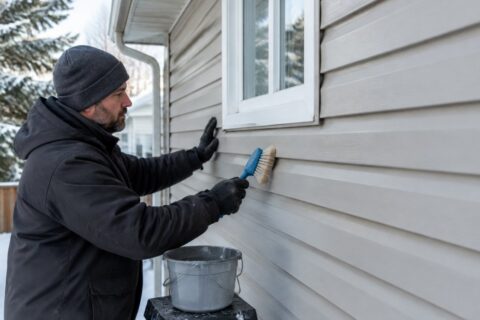
Cold-climate siding maintenance means washing panels annually, checking and renewing caulking, clearing…
Last Updated: November 3, 2026
Quick Summary
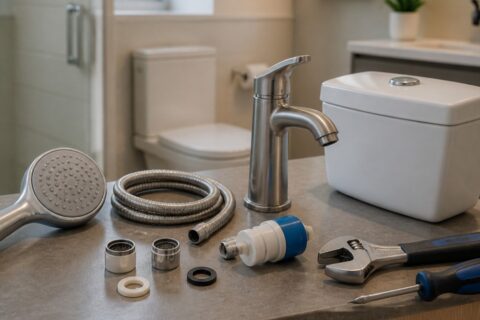
Low-flow toilets, faucets and showerheads are the bathroom upgrades that save the most water, cutting…